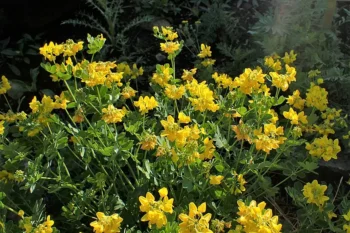
Securigera orientalis: A Mediterranean Ground Cover Worth Considering
Meet Securigera orientalis, a charming little ground cover that might not be on your gardening radar yet, but probably should be. This Mediterranean native (formerly known as Coronilla orientalis) brings a touch of old-world charm to modern landscapes with its delicate yellow flowers and feathery foliage.
What Is Securigera orientalis?
Securigera orientalis is a low-growing perennial that hails from the sun-soaked Mediterranean region and parts of the Middle East. While it doesn’t have a widely recognized common name in English, this unassuming plant has been quietly beautifying landscapes in its native range for centuries.
Why You Might Want This Plant
Here’s what makes Securigera orientalis appealing to gardeners:
- Cheerful blooms: Small, bright yellow flowers appear in clusters, creating a sunny carpet effect
- Low maintenance: Once established, this plant is remarkably drought-tolerant and requires minimal care
- Pollinator magnet: Bees and other small pollinators love the nectar-rich flowers
- Erosion control: Its spreading habit makes it excellent for stabilizing slopes and banks
- Extended blooming: Flowers typically appear from spring through early summer
Growing Conditions and Care
Securigera orientalis thrives in conditions that mimic its Mediterranean homeland:
- Sunlight: Full sun is best, though it can tolerate partial shade
- Soil: Well-draining soil is essential; it actually prefers poor to average soil over rich, fertile ground
- Water: Drought-tolerant once established, but appreciates occasional deep watering during dry spells
- Climate: Hardy in USDA zones 7-10
Perfect Garden Spots
This adaptable ground cover works beautifully in:
- Mediterranean-style gardens
- Rock gardens and xeriscaping projects
- Naturalized areas and wildflower meadows
- Slopes and banks needing erosion control
- Areas where you want low-maintenance coverage
Planting and Care Tips
Getting Securigera orientalis established is refreshingly straightforward:
- Plant in spring after the last frost
- Space plants 12-18 inches apart for ground cover effect
- Water regularly the first season, then reduce frequency
- Avoid overwatering or overly rich soil, which can lead to weak growth
- Deadhead spent flowers to encourage continued blooming
Things to Consider
Before adding Securigera orientalis to your garden, keep in mind that it’s not native to North America. While this doesn’t necessarily make it problematic, you might want to consider native alternatives that provide similar benefits to local ecosystems. Some excellent native ground covers include wild strawberry (Fragaria species), creeping phlox (Phlox subulata), or various native sedums, depending on your region.
If you do choose to grow Securigera orientalis, monitor its spread and ensure it doesn’t escape cultivation into natural areas.
The Bottom Line
Securigera orientalis offers gardeners a low-maintenance, drought-tolerant ground cover with cheerful yellow blooms and pollinator appeal. While it’s not native to North America, it can be a good choice for Mediterranean-style gardens and challenging sites where native options might struggle. Just remember to garden responsibly and consider native alternatives when possible.
Whether you’re dealing with a difficult slope, creating a water-wise landscape, or simply want something different in your ground cover palette, this Mediterranean charmer might just be the solution you’re looking for.