Conejo Buckwheat: A Rare California Treasure for Your Native Garden
If you’re looking to add something truly special to your Southern California native garden, Conejo buckwheat (Eriogonum crocatum) might just be the perfect choice. This charming little shrub is like finding a hidden gem in the world of native plants – beautiful, beneficial, and wonderfully unique.
What Makes Conejo Buckwheat Special?
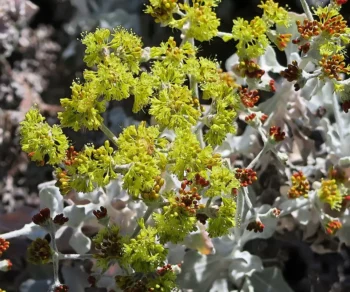
Conejo buckwheat is a perennial shrub that typically grows as a multi-stemmed woody plant, usually staying under 13-16 feet in height. What really sets this plant apart is its stunning display of small, bright yellow flowers that bloom in dense, rounded clusters. These cheerful blooms are complemented by attractive silvery-green foliage that adds year-round interest to your landscape.
A True California Native
This buckwheat species is native to the lower 48 states, specifically calling California home. You’ll find it naturally growing in Southern California, particularly in the Conejo Valley region and surrounding areas of Ventura County. It’s perfectly adapted to the Mediterranean climate of its native range.
- Species observed
- No observations
Important Conservation Note
Here’s something every gardener should know: Conejo buckwheat has a Global Conservation Status of S2, which means it’s considered Imperiled. This designation indicates the plant is extremely rare, with typically only 6 to 20 occurrences or few remaining individuals (1,000 to 3,000) in the wild. If you choose to grow this beautiful native, please make sure you source your plants responsibly from reputable nurseries that propagate rather than wild-collect their stock.
Why Grow Conejo Buckwheat?
Despite its rarity in the wild, there are compelling reasons to include this plant in your garden:
- Pollinator magnet: Those cheerful yellow flowers are absolute bee and butterfly favorites, providing crucial nectar for native pollinators
- Drought champion: Once established, it’s incredibly water-wise – perfect for xeriscapes and water-conscious gardening
- Low maintenance: This hardy shrub doesn’t ask for much once it’s settled in
- Conservation impact: By growing it in your garden, you’re helping preserve this rare species
- Unique beauty: Its distinctive appearance adds character that you won’t find with more common plants
Where Does It Fit in Your Landscape?
Conejo buckwheat shines in several garden styles:
- Native California gardens
- Mediterranean-style landscapes
- Xeriscapes and drought-tolerant gardens
- Rock gardens
- Wildlife and pollinator gardens
It works beautifully as a specimen plant, in mixed native borders, or grouped with other California natives for a naturalistic look.
Growing Conditions and Care
Conejo buckwheat thrives in USDA hardiness zones 9-10, making it suitable for most of Southern California and similar climates. Here’s what it needs to flourish:
- Sunlight: Full sun exposure for best flowering and form
- Soil: Well-draining soil is essential – sandy or rocky soils are ideal
- Water: Drought-tolerant once established, but appreciates occasional deep watering during extreme drought
- Drainage: Cannot tolerate standing water or poorly drained soils
Planting and Care Tips
Getting your Conejo buckwheat off to the right start is key to long-term success:
- Timing: Plant in fall when temperatures cool and winter rains can help establish the root system
- Watering: Provide regular water the first year, then reduce significantly – overwatering is more harmful than underwatering
- Pruning: Light pruning after flowering can help maintain shape and encourage new growth
- Fertilizing: Generally unnecessary – native soils provide adequate nutrition
- Mulching: A light layer of gravel mulch can help with drainage and weed suppression
The Bottom Line
Conejo buckwheat is a plant that asks gardeners to be both admirers and stewards. Its beautiful yellow blooms and wildlife benefits make it a wonderful addition to any native garden, while its rare status means we have a responsibility to grow it thoughtfully. If you can source it responsibly and provide the right growing conditions, you’ll be rewarded with a truly special plant that connects your garden to California’s natural heritage.
Remember, every garden that includes rare natives like Conejo buckwheat becomes part of a larger conservation effort. You’re not just growing a plant – you’re helping preserve a piece of California’s botanical legacy for future generations.