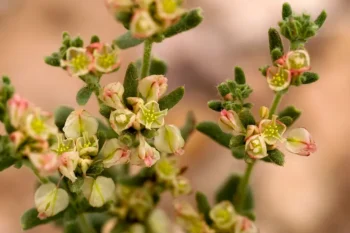
Abert’s Buckwheat: A Charming Native Annual for Southwestern Gardens
If you’re looking to add a touch of delicate beauty to your drought-tolerant garden while supporting local wildlife, meet Abert’s buckwheat (Eriogonum abertianum). This unassuming annual wildflower might not win any awards for showiness, but it more than makes up for it with its ecological benefits and easy-going nature.
What Makes Abert’s Buckwheat Special?
Abert’s buckwheat is a true native gem of the American Southwest, naturally occurring across Arizona, New Mexico, and Texas. As an annual forb, this plant completes its entire life cycle in one growing season, making it a perfect choice for gardeners who enjoy watching their landscape change and evolve each year.
This charming wildflower typically reaches 6 to 18 inches in height, producing clusters of tiny white to pink flowers that may look modest individually but create a lovely carpet effect when planted in groups. The narrow leaves and delicate branching structure give it an airy, almost ethereal quality that pairs beautifully with other native southwestern plants.
- Species observed
- No observations
Why Your Garden (and Local Wildlife) Will Love It
Don’t let its small stature fool you – Abert’s buckwheat is a pollinator powerhouse! The tiny flowers are magnets for:
- Native bees and other beneficial insects
- Small butterflies
- Various other pollinators that appreciate the accessible nectar
Since it’s an annual, Abert’s buckwheat also provides seeds for birds and small wildlife, making it a valuable addition to any wildlife-friendly garden.
Perfect Garden Scenarios
Abert’s buckwheat shines in several garden styles:
- Desert and xerophytic gardens: Its low water needs make it ideal for water-wise landscaping
- Native plant gardens: Provides authentic regional character
- Wildflower meadows: Fills in beautifully between showier perennials
- Naturalized areas: Perfect for low-maintenance spaces that mimic natural habitats
Growing Abert’s Buckwheat Successfully
One of the best things about this native annual is how easy it is to grow, especially if you’re gardening in USDA hardiness zones 7-10. Here’s what you need to know:
Ideal Growing Conditions
- Sun: Full sun is essential for best flowering
- Soil: Well-draining sandy or rocky soils work best – it actually prefers poor soils!
- Water: Low water requirements once established; overwatering can be more harmful than drought
- pH: Tolerates alkaline soils commonly found in the Southwest
Planting and Care Tips
Growing Abert’s buckwheat is refreshingly straightforward:
- Direct seed in fall or early spring when temperatures are cool
- Scatter seeds over prepared soil and lightly rake in
- Water gently until germination occurs
- Once established, reduce watering significantly – this plant thrives on neglect!
- No fertilizer needed – rich soils can actually reduce flowering
The best part? Abert’s buckwheat readily self-seeds, so once you’ve established it in your garden, you’ll likely see it pop up year after year in the most suitable spots.
Is Abert’s Buckwheat Right for Your Garden?
This native annual is an excellent choice if you:
- Garden in the southwestern United States
- Want to support local pollinators and wildlife
- Prefer low-maintenance, drought-tolerant plants
- Enjoy the charm of wildflowers and naturalized gardens
- Have poor, well-draining soils that challenge other plants
While Abert’s buckwheat may not be the star of your garden show, it’s definitely a reliable supporting character that brings authentic southwestern charm and ecological value to any native plant garden. Plus, there’s something deeply satisfying about growing a plant that’s perfectly adapted to your local environment – it’s like welcoming a piece of your region’s natural heritage into your own backyard.