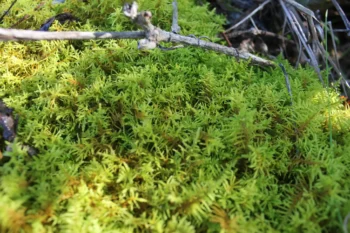
Abietinella Moss: The Tiny Forest Floor Wonder You Should Know About
Ever stumbled across what looks like a miniature evergreen forest carpeting the ground during a woodland walk? You might have encountered abietinella moss (Abietinella abietina), one of nature’s most charming ground-dwellers that creates enchanting fairy-tale landscapes right under our feet.
What Exactly Is Abietinella Moss?
Abietinella moss is a bryophyte – that’s the fancy scientific term for the group that includes mosses, liverworts, and hornworts. Unlike the flowering plants we typically think of when gardening, this little green wonder doesn’t produce flowers or seeds. Instead, it’s a terrestrial moss that loves to attach itself to rocks, fallen logs, and other solid surfaces rather than growing directly in soil.
You might also see this moss referred to by its former scientific names, including Hypnum abietinum or Thuidium abietinum, if you’re diving into older field guides or botanical references.
Where Does It Call Home?
This moss is a true North American native, though it’s currently documented in New Jersey within the United States. However, like many bryophytes, its actual distribution is likely broader than current records suggest, as mosses are often overlooked in botanical surveys.
- Species observed
- No observations
Spotting Abietinella Moss in the Wild
Here’s what to look for when trying to identify this delightful moss:
- Feathery, tree-like branching patterns that truly resemble tiny evergreen trees
- Golden-green to brownish coloration, especially beautiful when catching dappled sunlight
- Growth on solid surfaces like rocks, fallen logs, or tree bases rather than directly in soil
- Forms loose, spreading mats rather than dense cushions
- Thrives in cool, moist, shaded woodland environments
Is It Beneficial for Your Garden?
While you shouldn’t attempt to harvest or transplant abietinella moss from the wild, appreciating its presence in your landscape can be quite rewarding. Here’s why this moss deserves your respect:
Ecosystem Services: Like all mosses, abietinella moss plays important ecological roles. It helps prevent soil erosion, retains moisture in the environment, and creates microhabitats for tiny invertebrates and other small creatures.
Natural Beauty: If this moss appears naturally in your woodland garden or shaded areas, consider yourself lucky! Its intricate, feathery structure adds texture and visual interest to naturalistic landscapes.
Indicator Species: The presence of native mosses like abietinella moss often indicates a healthy, balanced ecosystem with good air quality and appropriate moisture levels.
Creating Moss-Friendly Conditions
Rather than trying to cultivate abietinella moss directly (which is notoriously difficult and often unsuccessful), focus on creating conditions that support native bryophyte communities:
- Maintain shaded, cool areas in your landscape
- Avoid using chemical fertilizers and pesticides that can harm moss communities
- Leave fallen logs and rocks in naturalistic garden areas
- Ensure good air circulation while maintaining consistent moisture
- Practice patience – moss communities develop slowly over time
The Bottom Line
Abietinella moss isn’t something you’ll find at your local garden center, nor should you attempt to collect it from wild populations. Instead, think of it as nature’s gift – a sign that your landscape supports diverse plant communities. If you’re lucky enough to have this charming moss appear naturally in your garden, simply enjoy its quiet beauty and the knowledge that you’re providing habitat for one of nature’s most ancient plant groups.
Remember, the best approach to appreciating native mosses is observation and conservation. By maintaining healthy, chemical-free garden environments, you’re supporting not just abietinella moss, but entire communities of native bryophytes that have been quietly doing their part in our ecosystems for millions of years.