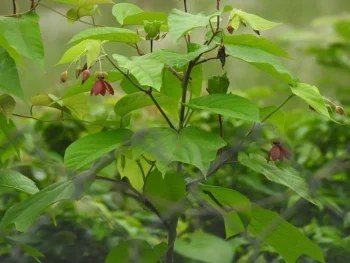
Abroma: The Mystery Shrub from the Pacific
Meet Abroma, one of the botanical world’s best-kept secrets! This perennial shrub is so uncommon in gardening circles that most plant enthusiasts have never heard of it. If you’re looking to add something truly unique to your landscape, you’ve stumbled upon one of the rarest finds in the plant kingdom.
What Is Abroma?
Abroma is a perennial shrub that typically grows as a multi-stemmed woody plant, usually reaching heights of less than 13 to 16 feet. Like most shrubs, it develops several stems from or near ground level, though environmental conditions can sometimes encourage different growth patterns. The genus also goes by the synonym Ambroma, though neither name rolls off the tongue quite like your typical garden center favorites!
Where Does Abroma Come From?
This mysterious shrub calls the Pacific Basin home, specifically excluding Hawaii. Currently, it’s documented as growing in Palau, making it one of the most geographically limited plants you might consider for your garden. Its native range is incredibly specific, which explains why you won’t find it at your local nursery.
- Species observed
- No observations
Should You Grow Abroma?
Here’s where things get tricky – and honestly, pretty challenging. Abroma presents several hurdles for the average gardener:
- Extremely limited availability (you probably can’t buy it anywhere)
- No established cultivation information or growing guides
- Unknown growing conditions and care requirements
- Unclear climate adaptability outside its native range
- No known USDA hardiness zone information
The Reality Check
While Abroma isn’t listed as invasive or noxious, it’s practically impossible to grow because there’s virtually no horticultural information available about it. We don’t know its preferred soil conditions, water needs, sunlight requirements, or how it might perform in different climates. There’s also no information about its potential benefits to pollinators or wildlife.
Native Alternatives Worth Considering
Instead of chasing this botanical unicorn, consider exploring native shrubs from your own region. Native plants offer several advantages:
- Established growing information and care guides
- Readily available from native plant nurseries
- Proven benefits to local wildlife and pollinators
- Adapted to your local climate conditions
- Support for local ecosystems
The Bottom Line
Abroma remains one of those fascinating plants that botanists know exists but gardeners will likely never encounter. Its extreme rarity and lack of cultivation information make it more of a scientific curiosity than a practical garden choice. While there’s something appealing about growing the unknown, your garden (and your sanity) will probably benefit more from choosing well-documented native plants that you can actually find, plant, and successfully grow.
Sometimes the most interesting plants are the ones we can only admire from afar – and Abroma definitely fits that category!