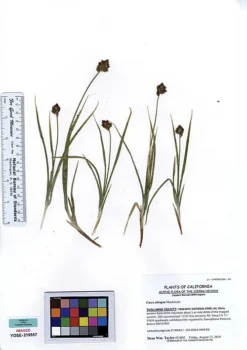
Abruptbeak Sedge: A Tough Native Grass for Western Gardens
If you’re looking for a hardy, low-maintenance native plant that can handle a variety of growing conditions, let me introduce you to abruptbeak sedge (Carex abrupta). This unassuming perennial might not win any beauty contests, but it’s the kind of reliable, hardworking plant that every western gardener should know about.
What is Abruptbeak Sedge?
Abruptbeak sedge is a native perennial sedge that belongs to the grass-like plant family. Don’t let the grass-like description fool you—this isn’t your typical lawn grass. Sedges are actually quite different from true grasses and offer unique benefits to native landscapes.
As a native species to the lower 48 states, this sedge has been quietly doing its job in western ecosystems for centuries. You’ll find it naturally growing in California, Idaho, Nevada, and Oregon, where it has adapted to diverse conditions from mountain meadows to coastal areas.
- Species observed
- No observations
Why Consider Planting Abruptbeak Sedge?
Here’s where this humble plant really shines. Abruptbeak sedge is what I like to call a set it and forget it plant—perfect for gardeners who want native beauty without the fuss.
Garden Benefits
- Excellent for erosion control on slopes and banks
- Adds fine texture and movement to landscape designs
- Creates naturalized areas that blend seamlessly with native surroundings
- Provides habitat and seed sources for wildlife, particularly birds
- Requires minimal water once established
Where Does It Fit in Your Landscape?
Abruptbeak sedge is incredibly versatile and works well in several garden styles:
- Native plant gardens: A perfect foundation plant that supports local ecosystems
- Rain gardens: Its facultative wetland status means it can handle both wet and dry conditions
- Naturalized landscapes: Ideal for creating low-maintenance, natural-looking areas
- Wildlife gardens: Provides cover and food sources for native birds and small mammals
Growing Conditions and Care
One of the best things about abruptbeak sedge is its adaptability. This plant can handle a range of conditions, making it suitable for USDA hardiness zones 5 through 9.
Preferred Growing Conditions
- Light: Full sun to partial shade
- Soil: Adaptable to various soil types, from moist to moderately dry
- Water: Moderate water needs; drought-tolerant once established
- Maintenance: Very low—just occasional division every 3-4 years
Planting and Care Tips
Getting abruptbeak sedge established in your garden is refreshingly straightforward:
- Plant in spring or fall for best establishment
- Space plants 12-18 inches apart for naturalized plantings
- Water regularly the first growing season to establish deep roots
- Once established, supplemental watering is rarely needed
- Divide clumps every 3-4 years if you want to expand your planting area
Wildlife and Ecological Benefits
While abruptbeak sedge might not attract butterflies like a showy wildflower, it provides crucial ecosystem services. Birds appreciate the seeds it produces, and the dense clumps offer shelter for small wildlife. Plus, by choosing native plants like this sedge, you’re supporting the intricate web of relationships that make western ecosystems thrive.
The Bottom Line
Abruptbeak sedge isn’t flashy, but it’s exactly the kind of dependable native plant that forms the backbone of sustainable western gardens. If you’re looking to reduce water usage, support local wildlife, and create low-maintenance naturalized areas, this tough little sedge deserves a spot in your landscape. Sometimes the most valuable plants are the ones that quietly do their job while asking for very little in return.