Growing Acanthus: A Bold Tropical Beauty for Coastal Gardens
If you’re looking to add some serious drama to your tropical garden, let me introduce you to acanthus (Acanthus ebracteatus). This striking perennial herb might just be the architectural showstopper your landscape has been waiting for. With its bold, sculptural leaves and impressive flower spikes, this Pacific native brings a touch of the exotic to any garden lucky enough to grow it.
What Makes Acanthus Special
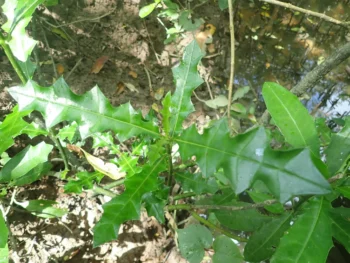
Also known as kollil in Palau, this herbaceous perennial is a true attention-grabber. Picture deeply lobed, spiny-edged leaves that look like they belong in a botanical illustration, paired with tall spikes of white to pale purple flowers that tower above the foliage. It’s the kind of plant that makes visitors stop in their tracks and ask, What is that magnificent thing?
Where Does Acanthus Come From
Acanthus ebracteatus is native to the Pacific Basin, naturally calling places like Guam and Palau home. In the wild, you’ll find it thriving along coastal areas, often at the edges of mangroves where the land meets the sea. This coastal heritage gives us some important clues about what this plant needs to be happy in cultivation.
- Species observed
- No observations
Is This Plant Right for Your Garden?
Here’s the thing about acanthus – it’s absolutely gorgeous, but it’s also pretty specific about where it wants to live. This tropical beauty is only suited for USDA hardiness zones 10-12, so unless you’re gardening in a consistently warm, frost-free climate, this might be a greenhouse plant for you.
That said, if you can provide the right conditions, acanthus makes an incredible:
- Architectural accent plant that adds instant drama
- Specimen for tropical and subtropical coastal gardens
- Addition to water gardens or bog gardens
- Conversation starter that’s sure to impress garden visitors
Growing Conditions: What Acanthus Craves
Remember how this plant naturally grows in coastal, mangrove-adjacent areas? That tells us everything we need to know about its preferences:
Light: Partial shade to full sun works well, though some afternoon shade in hot climates is appreciated.
Water: This is where acanthus gets particular – it wants consistently moist to wet soil. Think never completely dry rather than occasionally watered.
Soil: Well-draining but moisture-retentive soil works best. Adding organic matter helps achieve this balance.
Salt tolerance: Thanks to its coastal origins, acanthus can handle some salt spray, making it perfect for seaside gardens.
Planting and Care Tips
Getting acanthus established is pretty straightforward once you understand its needs:
- Plant in spring when soil temperatures are consistently warm
- Choose a location that stays consistently moist – near water features or in naturally damp areas works great
- Apply a thick layer of organic mulch to help retain soil moisture
- Protect from strong winds that might damage those impressive leaves
- In cooler zones, consider growing in large containers that can be moved indoors
Wildlife and Pollinator Benefits
Those showy flower spikes aren’t just for show – they’re bee magnets! When acanthus blooms, it attracts various pollinators, adding both beauty and ecological value to your garden. The flowers provide nectar for bees and other beneficial insects, making this plant as functional as it is beautiful.
The Bottom Line
Acanthus ebracteatus is definitely a high reward, specific needs kind of plant. If you can provide the warm climate, consistent moisture, and coastal conditions it craves, you’ll be rewarded with one of the most architecturally stunning plants you can grow. However, if you’re in a cooler climate or can’t commit to its watering needs, you might want to admire this beauty from afar or consider it for a greenhouse setting.
For gardeners in the right zones with the right conditions, though, acanthus offers an unparalleled combination of tropical drama and ecological benefits that’s hard to match.