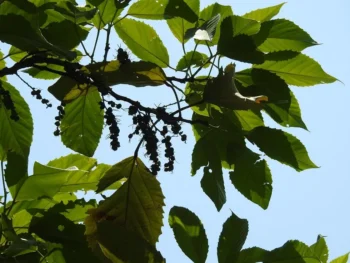
Achiotillo: A Tall Native Tree for Tropical Gardens
If you’re gardening in Puerto Rico or the U.S. Virgin Islands and looking for a native tree that can make a real statement in your landscape, let me introduce you to achiotillo (Alchornea latifolia). This impressive perennial tree might not be the showiest bloomer in your garden, but it brings plenty of other qualities to the table that make it worth considering.
Where Does Achiotillo Come From?
Achiotillo is a true Caribbean native, naturally occurring in Puerto Rico and the U.S. Virgin Islands. This means it’s perfectly adapted to the local climate and ecosystem, making it an excellent choice for gardeners who want to support native biodiversity while creating beautiful landscapes.
- Species observed
- No observations
What Does Achiotillo Look Like?
Don’t expect achiotillo to be a shrinking violet in your garden – this tree means business when it comes to size! At maturity, it typically reaches around 52 feet tall, though some specimens can grow up to 79 feet in their first 20 years. With its single trunk and substantial presence, achiotillo definitely falls into the statement tree category.
The aesthetic appeal of achiotillo comes from its:
- Coarse-textured green foliage that provides year-round interest
- Conspicuous red fruits that add color contrast
- Substantial size that creates impressive shade and structure
- Long lifespan that makes it a lasting investment in your landscape
While the green flowers aren’t particularly showy, the tree’s overall presence and the bright red fruits more than make up for any lack of floral drama.
Is Achiotillo Right for Your Garden?
Achiotillo works best in larger landscapes where its eventual size won’t overwhelm other plantings or structures. It’s perfect for:
- Large residential properties needing substantial shade trees
- Parks and public spaces
- Native plant gardens and natural landscapes
- Properties where you want to support local ecosystems
However, you’ll want to think twice about planting achiotillo if you have a small yard or limited space, as this tree needs room to reach its full potential.
Growing Conditions and Care
The good news is that achiotillo is relatively straightforward to grow if you can meet its basic needs:
Climate Requirements:
- Needs tropical conditions with no frost (365 frost-free days minimum)
- Minimum temperature tolerance of 40°F
- Active growing period during fall, winter, and spring
Soil and Water:
- Prefers medium-textured soils (not too sandy, not too clay-heavy)
- Has medium drought tolerance once established
- Usually grows in non-wetland areas but can tolerate some wetland conditions
Light Requirements:
- Needs full sun – this tree is shade intolerant
- Plant where it won’t be overshadowed by other large trees
Planting and Propagation
Achiotillo is typically grown from seed, with fruits appearing from spring through summer. The seeds don’t persist on the tree for long, so timing is important if you want to collect them for propagation.
When planting, remember that this tree develops deep roots (minimum 36 inches), so avoid areas with underground utilities or structures. Space trees appropriately – you’ll want 320-640 plants per acre if you’re doing larger-scale plantings.
The Bottom Line
Achiotillo is an excellent choice for gardeners in Puerto Rico and the U.S. Virgin Islands who have the space for a large native tree. While it won’t dazzle you with spectacular flowers, its substantial presence, attractive red fruits, and ecological benefits make it a valuable addition to appropriate landscapes. Just make sure you have room for it to grow and the tropical conditions it needs to thrive!
Remember, choosing native plants like achiotillo helps support local wildlife and creates landscapes that are naturally suited to your climate – a win-win for both your garden and the environment.