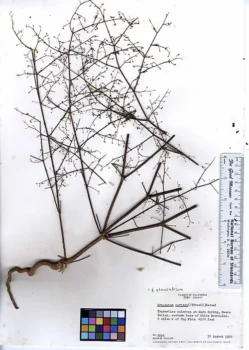
Acorn Buckwheat: A Rare Desert Gem for Water-Wise Gardens
Meet acorn buckwheat (Eriogonum glandulosum), a charming little annual that’s perfectly adapted to life in the desert Southwest. This diminutive native wildflower might not be the showiest plant in your garden, but it packs a punch when it comes to supporting local ecosystems while requiring virtually no water once established.
What Makes Acorn Buckwheat Special?
Acorn buckwheat is a true California and Nevada native, belonging to the diverse buckwheat family that’s so important to western landscapes. As an annual forb, this plant completes its entire life cycle in just one growing season, producing delicate clusters of white to pink flowers that eventually develop into attractive, papery seed heads.
This species has a limited native range, found naturally in California and Nevada’s desert and semi-desert regions. Its specialized habitat requirements make it a particularly interesting choice for gardeners looking to recreate authentic southwestern plant communities.
- Species observed
- No observations
A Word of Caution: Rarity Matters
Before you rush out to plant acorn buckwheat, there’s something important to know: this species has a conservation status of S2S4, meaning it’s considered relatively rare in its native range. If you’re interested in growing this plant, it’s crucial to source seeds or plants only from reputable native plant nurseries that collect responsibly and don’t deplete wild populations.
Garden Appeal and Landscape Role
Don’t let its small stature fool you – acorn buckwheat brings subtle beauty to the right garden setting. The plant forms low-growing clusters with small, rounded leaves and produces delicate flower heads that age gracefully into ornamental seed structures. It’s particularly striking when planted in drifts or allowed to naturalize in appropriate desert garden settings.
This plant shines in:
- Desert and xeriscape gardens
- Rock gardens with excellent drainage
- Native plant demonstrations
- Wildflower meadow plantings in appropriate climates
Growing Conditions and Care
Acorn buckwheat is adapted to harsh desert conditions, which means it has very specific growing requirements that differ from typical garden plants. Success with this species requires mimicking its natural habitat as closely as possible.
Sunlight: Full sun is essential – this plant evolved in open desert areas with intense sunlight.
Soil: Well-draining, sandy, or rocky soil is crucial. Heavy clay or moisture-retentive soils will likely kill this plant.
Water: Extremely drought-tolerant once established. Overwatering is more dangerous than underwatering.
Climate: Best suited for USDA hardiness zones 8-10, matching its native desert climate.
Planting and Establishment
Since acorn buckwheat is an annual, you’ll be working with seeds rather than transplants. Direct seeding in fall typically provides the best results, as the seeds need winter stratification to germinate properly in spring.
Prepare your planting area by ensuring excellent drainage – consider adding sand or small gravel to heavy soils. Scatter seeds lightly over the prepared surface and barely cover them, as they need some light to germinate.
Supporting Pollinators and Wildlife
While small, acorn buckwheat flowers are valuable to desert-adapted pollinators, including native bees and butterflies. The seeds may also provide food for small birds and other wildlife adapted to desert environments.
Is Acorn Buckwheat Right for Your Garden?
Consider acorn buckwheat if you:
- Live in zones 8-10 with low rainfall
- Have excellent soil drainage
- Want to support native desert ecosystems
- Appreciate subtle, naturalistic beauty
- Can source seeds responsibly
This plant might not be the best choice if you’re looking for bold color, have heavy clay soil, or live in a humid climate. Remember, working with rare native species comes with the responsibility to source materials ethically and to help preserve these special plants for future generations.
When grown in the right conditions with responsibly sourced seeds, acorn buckwheat can be a rewarding addition to desert gardens, connecting you to the unique beauty of southwestern native plant communities while supporting local wildlife.