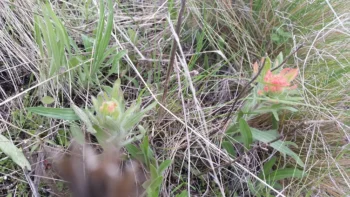
Acute Indian Paintbrush: A Stunning Native Wildflower for Western Gardens
If you’re looking to add a splash of fiery color to your native plant garden, the acute Indian paintbrush (Castilleja hispida acuta) might just be your new favorite wildflower. This vibrant perennial brings the brilliant reds and oranges of western meadows right to your backyard, creating a spectacular show that both you and local wildlife will absolutely love.
What Makes Acute Indian Paintbrush Special?
Also known by its botanical name Castilleja hispida acuta, this charming native belongs to a group of plants that know how to make an entrance. As a perennial forb herb, it returns year after year without the woody stems of shrubs or trees, instead sporting soft, herbaceous growth that emerges fresh each growing season.
The acute Indian paintbrush is a true western native, calling the lower 48 states home with particular emphasis on the Pacific Northwest and intermountain regions. You’ll find this beauty growing naturally across Idaho, Montana, Nevada, Oregon, and Washington, where it has adapted perfectly to the local climate and conditions.
- Species observed
- No observations
Why You’ll Want This Plant in Your Garden
There are plenty of reasons to fall in love with acute Indian paintbrush, starting with its absolutely stunning visual appeal. The tubular flowers burst forth in brilliant shades of red-orange, creating dramatic color displays from spring through early summer. These aren’t your subtle, understated blooms – they’re bold, bright, and impossible to ignore in the best possible way.
But the beauty goes beyond just looks. This native wildflower is a pollinator magnet, particularly beloved by hummingbirds who can easily access the nectar in those perfectly shaped tubular flowers. Butterflies are frequent visitors too, making your garden a buzzing hub of beneficial activity.
Perfect Garden Settings
Acute Indian paintbrush absolutely shines in several garden styles:
- Native plant gardens where it can mingle with other regional favorites
- Wildflower meadows for a naturalized, prairie-like feel
- Xeriscaped areas where its drought tolerance really shows off
- Naturalized landscape edges for a soft transition to wilder spaces
Growing Conditions and Care
Here’s where things get interesting – acute Indian paintbrush is what botanists call hemiparasitic, which sounds scary but really just means it likes to form beneficial relationships with nearby plants. In the wild, it often partners with grasses and other plants, sharing nutrients through root connections. This actually makes it easier to grow when planted alongside compatible companions.
For successful growing, provide:
- Well-drained soils (it really dislikes wet feet)
- Full sun to partial shade conditions
- USDA hardiness zones 4-8 coverage
- Minimal water once established – this plant embraces drought tolerance
Planting and Care Tips
Getting acute Indian paintbrush established requires a bit of patience, but the payoff is absolutely worth it. Direct seeding in fall works best, as the seeds need that cold winter period to germinate properly in spring. Because of its unique growing habits, it’s often easier to establish when planted near potential host plants like native grasses.
Once established, this is refreshingly low-maintenance. The plant handles drought beautifully and doesn’t need regular fertilizing – in fact, too much fertility can actually reduce flowering. Simply let it do its thing, and it will reward you with years of spectacular blooms.
A Note About Sourcing
Acute Indian paintbrush has a conservation status that indicates some regional sensitivity, so it’s important to source your plants or seeds responsibly. Look for reputable native plant nurseries or seed suppliers who can guarantee their material comes from ethical, sustainable sources. Never collect from wild populations.
The Bottom Line
If you’re gardening in the western United States and want to create habitat while enjoying spectacular flowers, acute Indian paintbrush deserves a spot in your landscape. It’s native, beautiful, supports local wildlife, and once established, practically takes care of itself. Just remember to give it the well-drained conditions it craves and some compatible plant neighbors, and you’ll be rewarded with one of nature’s most brilliant wildflower displays.