Addison’s Leather Flower: A Rare Virginia Native Worth Protecting
If you’re a native plant enthusiast looking for something truly special – and rare – for your garden, let me introduce you to Addison’s leather flower (Clematis addisonii). This little-known Virginia native is one of those botanical treasures that makes you feel like you’re part of an exclusive club when you grow it successfully.
What Makes This Plant Special
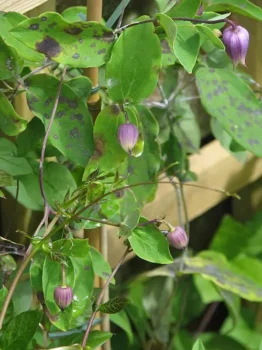
Addison’s leather flower is a perennial climbing vine that produces distinctive small, urn-shaped purple flowers. Unlike the showy, open-faced blooms of many garden clematis, this native beauty keeps its flowers modestly closed, creating charming little nodding bells that dangle gracefully from the vine. The flowers typically appear in late spring to early summer, adding a subtle but sophisticated touch to any garden.
As a twining climber, this plant can develop relatively long stems that may be either woody or herbaceous, depending on growing conditions. It’s not a vigorous spreader like some of its clematis cousins – instead, it grows at a more restrained pace that won’t overwhelm your garden.
Where It Comes From
Here’s where things get really interesting: Addison’s leather flower is found only in Virginia, making it what botanists call an endemic species. This plant has chosen to make its home exclusively in the rocky outcrops and cliffs of Virginia’s Blue Ridge Mountains, where it has adapted to some pretty challenging growing conditions.
- Species observed
- No observations
A Plant That Needs Our Help
I need to share some important information with you: Addison’s leather flower has a Global Conservation Status of S1?, which means it’s considered Critically Imperiled. This classification indicates that there are typically only 5 or fewer known occurrences of this plant in the wild, or very few remaining individuals (fewer than 1,000). This makes it an extremely rare plant that desperately needs our conservation efforts.
If you’re interested in growing this plant, please only source it from reputable native plant nurseries that can guarantee their stock comes from ethically propagated material – never from wild collection. By choosing responsibly sourced plants, you’re helping protect the remaining wild populations.
Growing Addison’s Leather Flower
Despite its rarity, this plant can be grown successfully in home gardens if you can meet its specific needs:
Growing Conditions
- Sunlight: Partial shade to full sun
- Soil: Well-draining, rocky, or sandy soil is essential
- Water: Drought tolerant once established, but avoid waterlogged conditions
- Hardiness: USDA zones 5-7
- Wetland status: Facultative Upland (usually found in non-wetland areas)
Planting and Care Tips
- Excellent drainage is absolutely critical – this plant won’t tolerate wet feet
- Provide some form of support for the climbing stems
- Mulch lightly around the base to retain moisture without creating soggy conditions
- Once established, it’s quite drought tolerant and low-maintenance
Perfect Garden Settings
This isn’t a plant for every garden, but it’s perfect for:
- Rock gardens that mimic its natural cliff habitat
- Native plant collections
- Naturalistic landscapes with good drainage
- Specialty gardens focused on rare or endangered species
Wildlife and Pollinator Benefits
Like many native clematis species, Addison’s leather flower provides nectar for small native bees and other pollinators. While it may not be a pollinator magnet like some showier natives, every bit helps when it comes to supporting our local ecosystem.
The Bottom Line
Should you grow Addison’s leather flower? If you’re passionate about native plant conservation, have the right growing conditions, and can source it responsibly – absolutely! This plant represents a living piece of Virginia’s natural heritage, and every garden that successfully grows it helps ensure its survival.
Just remember: with great rarity comes great responsibility. By growing this critically imperiled species, you’re not just adding a unique plant to your garden – you’re participating in conservation efforts that could help save it from extinction.
For those who can’t provide the specific conditions this plant needs, consider supporting conservation efforts for rare plants in other ways, such as donating to botanical gardens or native plant societies that work to protect endangered species like Addison’s leather flower.