Adoxa: The Charming Little Woodland Native You’ve Never Heard Of
Meet Adoxa, a delightfully quirky little native plant that’s been quietly carpeting North American woodlands for centuries. Also known by its common name adoxa (or sometimes called moschatel), this unassuming perennial forb might just be the perfect addition to your shade garden – if you’re looking for something truly unique.
What Makes Adoxa Special?
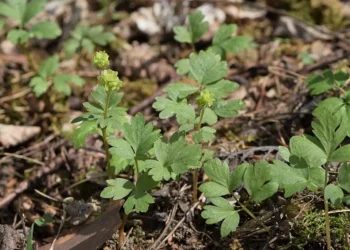
Adoxa is what botanists call a forb – basically a soft-stemmed herbaceous plant that comes back year after year. But don’t let its humble classification fool you. This little charmer produces some of the most unusual flowers you’ll ever see: tiny yellowish-green blooms arranged in perfect cubic clusters that look like miniature dice sitting atop delicate stems.
The plant itself stays refreshingly small and unobtrusive, making it ideal for gardeners who appreciate subtle beauty over flashy showstoppers. It’s the kind of plant that rewards close inspection – you’ll find yourself crouching down to admire its intricate flower arrangements.
Where Does Adoxa Call Home?
This versatile native has an impressive range across North America. You’ll find Adoxa naturally growing from Alaska down through Canada (including Alberta, British Columbia, Manitoba, Ontario, Saskatchewan, Yukon, and the Northwest Territories) and scattered throughout many U.S. states including Colorado, Illinois, Iowa, Minnesota, Montana, New Mexico, New York, South Dakota, Utah, Wisconsin, and Wyoming.
- Species observed
- No observations
Is Adoxa Right for Your Garden?
If you’re creating a woodland garden or looking to naturalize a shady area with native plants, Adoxa could be an excellent choice. Here’s what makes it garden-worthy:
- It’s completely native across much of North America
- Thrives in cool, moist, shaded conditions where many plants struggle
- Low-maintenance once established
- Provides subtle groundcover without being aggressive
- Attracts small pollinators like tiny bees and flies
- Hardy in USDA zones 2-7, making it suitable for most northern gardens
Growing Adoxa Successfully
The good news? Adoxa isn’t fussy once you understand its preferences. Think forest floor and you’ll be on the right track.
Ideal Growing Conditions:
- Light: Shade to partial shade (it naturally grows under forest canopies)
- Soil: Rich, organic, well-draining but consistently moist soil
- Moisture: Prefers consistent moisture – not soggy, but never completely dry
- Temperature: Thrives in cool conditions; may struggle in hot, humid climates
Planting and Care Tips:
- Plant in spring after the last frost
- Amend soil with compost or leaf mold to mimic forest conditions
- Mulch around plants to retain moisture and suppress weeds
- Water regularly during dry spells, especially in the first year
- Allow it to naturalize – it spreads gently by rhizomes
- Minimal fertilization needed if soil is rich in organic matter
The Wildlife Connection
While Adoxa might seem insignificant, it plays its part in the ecosystem. Its small flowers provide nectar for tiny pollinators, and the plant itself can serve as habitat for small woodland creatures. It’s not a wildlife powerhouse like some natives, but every little bit helps when creating habitat corridors in urban and suburban landscapes.
Should You Plant Adoxa?
Adoxa is perfect for gardeners who:
- Want to support native plant communities
- Have shady areas that need groundcover
- Appreciate subtle, unique beauty over flashy displays
- Live in cooler climates (zones 2-7)
- Prefer low-maintenance plants
However, you might want to skip Adoxa if you’re looking for bold color, need plants for sunny locations, or live in very hot, humid climates where it may struggle.
The Bottom Line
Adoxa might not win any beauty contests, but this native charmer offers something special: the quiet satisfaction of growing a plant that truly belongs in your local ecosystem. It’s the kind of plant that makes you feel like you’re in on a secret – a little woodland treasure hiding in plain sight.
If you’re building a native plant garden or just want to try something completely different, give Adoxa a chance. Your local pollinators will thank you, and you’ll have the pleasure of growing one of North America’s most understated natives.