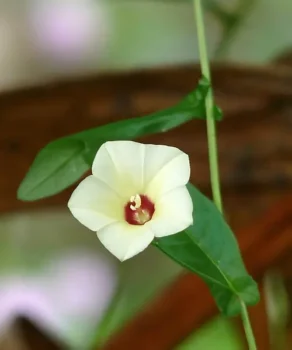
African Morningvine: A Lesser-Known Tropical Vine for Warm Climate Gardens
If you’re searching for something a bit different to add to your tropical or subtropical garden, you might have stumbled across the African morningvine (Xenostegia tridentata). This perennial vine belongs to the morning glory family, though it’s not as well-known as its flashier cousins. Let’s dive into what makes this plant unique and whether it might be right for your garden.
What Exactly Is African Morningvine?
African morningvine is a perennial forb – essentially a soft-stemmed plant without woody tissue that comes back year after year. Despite its common name suggesting African origins, this vine is actually native to Puerto Rico. It’s also known by several botanical synonyms, including Ipomoea angustifolia and Merremia tridentata, which might explain some of the confusion around its identity and origins.
Where Does It Grow?
Currently, you’ll find African morningvine growing naturally in Puerto Rico, Guam, and Palau. In Puerto Rico, it’s a native species, but in other Pacific Basin locations (excluding Hawaii), it’s considered non-native and has established itself in the wild without human intervention.
- Species observed
- No observations
Should You Plant African Morningvine?
Here’s where things get a bit tricky. While this vine isn’t currently listed as invasive or noxious, there’s limited information available about its garden performance, growth habits, or potential ecological impacts. This lack of data makes it difficult to give a wholehearted recommendation either way.
The Information Gap
Unfortunately, detailed horticultural information about African morningvine is quite scarce. We don’t have clear data on:
- Specific growing conditions it prefers
- How large it gets or how fast it grows
- What kind of flowers or ornamental features it offers
- Its benefits to local wildlife or pollinators
- Ideal planting and care requirements
A Word of Caution
Given that African morningvine has established itself as a non-native species in some Pacific regions, gardeners should approach this plant thoughtfully. Plants in the morning glory family can sometimes be vigorous growers, and without clear information about this species’ behavior in cultivation, it’s wise to proceed with caution.
Consider Native Alternatives
If you’re drawn to morning glory-type vines, consider exploring native alternatives in your region first. Native plants typically:
- Support local wildlife and pollinators better
- Are adapted to local growing conditions
- Require less maintenance once established
- Pose no risk of becoming invasive
The Bottom Line
While African morningvine might seem intriguing, the lack of detailed horticultural information and its non-native status in some regions make it a questionable choice for most home gardeners. Until more is known about its garden behavior and ecological impact, you might be better served by choosing well-documented native vines that can provide similar aesthetic appeal without the uncertainty.
If you do decide to experiment with this plant, source it responsibly and monitor its growth carefully to ensure it doesn’t escape cultivation. And remember – there are likely plenty of beautiful, well-understood native alternatives that would be happy to climb your garden structures instead!