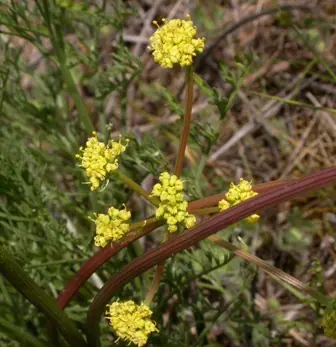
Agate Desertparsley: A Rare Oregon Native Worth Protecting
If you’ve never heard of agate desertparsley (Lomatium cookii), you’re not alone. This little-known member of the carrot family is one of Oregon’s most endangered native plants, making it more of a conservation treasure than a typical garden addition. But understanding this rare beauty can help us appreciate the incredible diversity of our native flora—and the importance of protecting it.
What Makes Agate Desertparsley Special
Agate desertparsley is a perennial forb, which simply means it’s an herbaceous plant that comes back year after year without developing woody stems. Like other members of the Lomatium genus, it produces clusters of small flowers arranged in umbrella-like formations called umbels—think Queen Anne’s lace, but much more exclusive.
This unassuming plant carries the scientific name Lomatium cookii, named after botanist William Bridge Cooke. Despite its humble appearance, it holds the distinction of being one of the rarest plants in the Pacific Northwest.
Where Does It Call Home
Agate desertparsley is what botanists call an endemic species—it exists naturally in only one small area of the world. Specifically, this rare gem is found only in southwestern Oregon, where it clings to existence in very specific wetland habitats.
- Species observed
- No observations
A Plant in Crisis
Here’s where things get serious: agate desertparsley is critically endangered. With a Global Conservation Status of S1, it’s considered Critically Imperiled due to extreme rarity. In the United States, it carries an official Endangered status, meaning there are typically fewer than 1,000 individuals remaining in the wild, spread across five or fewer known locations.
This isn’t a plant you’ll find at your local nursery, nor should it be treated as a casual garden addition.
Habitat Needs: Not Your Average Garden Plant
Agate desertparsley has very specific habitat requirements that make it nearly impossible to grow in typical garden settings:
- Wetland conditions: In the Arid West region, it’s classified as an Obligate Wetland plant, meaning it almost always occurs in wetlands
- In Western Mountains, Valleys, and Coast regions, it’s a Facultative Wetland species, usually found in wetlands but occasionally in other moist areas
- Extremely specific soil chemistry and hydrology requirements
- Adapted to the unique climate conditions of southwestern Oregon
Wildlife and Pollinator Value
Like other members of the carrot family, agate desertparsley likely provides nectar and pollen for various small native pollinators, including specialized bees and beneficial insects. However, its extremely limited distribution means its ecological role is highly localized and irreplaceable.
Should You Grow Agate Desertparsley
The short answer is: probably not, unless you’re involved in professional conservation work. Here’s why:
- It requires very specific wetland conditions that are difficult to replicate
- Seeds or plants should never be collected from wild populations
- Any cultivation attempts should only use responsibly sourced material from authorized conservation programs
- It’s primarily suited for restoration projects rather than home gardens
How You Can Help Instead
Rather than trying to grow this endangered species, consider these alternatives:
- Plant other native Lomatium species that are more common and garden-appropriate
- Support local conservation organizations working to protect rare plant habitats
- Choose common native plants that provide similar pollinator benefits
- Learn about and protect wetland habitats in your area
The Bigger Picture
Agate desertparsley serves as a reminder of how much biodiversity we stand to lose if we don’t protect critical habitats. While you probably won’t be planting this rare beauty in your backyard, understanding its story helps us appreciate the incredible—and fragile—diversity of our native plant communities.
Sometimes the most valuable plants are the ones we admire from afar while working to ensure they have a future in the wild where they belong.