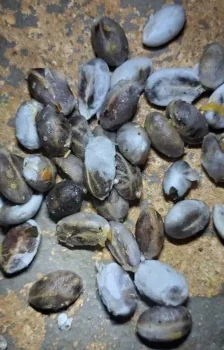
Aglaia mariannensis sensu non: A Mysterious Pacific Island Tree
If you’ve stumbled across the name Aglaia mariannensis sensu non in your plant research, you’ve encountered one of botany’s more puzzling designations. This isn’t your typical plant profile, and there’s a fascinating reason why.
What’s in a Name? The Sensu Non Mystery
The term sensu non is botanical Latin meaning not in the sense of. This unusual designation indicates that plants previously identified as Aglaia mariannensis were later determined to be something else entirely. In other words, this represents a case of mistaken identity in the plant world – specimens that were misidentified but haven’t yet been properly reclassified.
What We Do Know
Despite the taxonomic confusion, here’s what the available data tells us about these mysterious trees:
- Growth habit: These are substantial trees, typically growing over 13-16 feet tall with a single trunk
- Lifespan: Perennial woody plants built to last
- Geographic distribution: Found in Guam and Palau
- Native status: Indigenous to the Pacific Basin region (excluding Hawaii)
- Species observed
- No observations
The Challenge for Gardeners
Here’s where things get tricky for anyone interested in growing these plants. Because Aglaia mariannensis sensu non represents misidentified specimens rather than a properly recognized species, we lack reliable information about:
- Specific growing requirements
- Mature size and spread
- Preferred soil conditions
- Hardiness zones
- Propagation methods
- Wildlife and pollinator benefits
A Word of Caution
If you’re considering adding any plant with this designation to your garden, proceed with extreme caution. Without proper identification, you can’t be sure what you’re actually planting. The mystery plant could have vastly different requirements, growth patterns, or even invasive tendencies than you might expect.
Better Alternatives
Instead of gambling with taxonomically uncertain plants, consider these approaches:
- Consult local experts: Reach out to botanical gardens, university extension offices, or native plant societies in Guam or Palau
- Choose confirmed native species: Opt for well-documented native trees from the Pacific region
- Wait for proper identification: These mystery plants may eventually receive correct scientific names and proper documentation
The Bottom Line
While the botanical mystery surrounding Aglaia mariannensis sensu non is intellectually fascinating, it makes these plants poor choices for home gardeners. Without reliable identification and growing information, you’d essentially be conducting an unpredictable experiment in your landscape.
Your garden deserves plants with clear identities and proven track records. Stick with properly identified native species from your region, and leave the taxonomic mysteries to the professional botanists who are working to solve them.