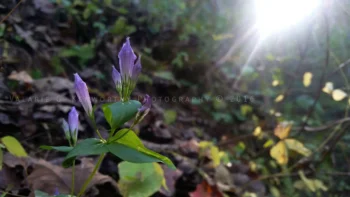
Agueweed: The Charming Late-Season Native Wildflower Your Garden Needs
If you’re looking to add some delicate charm to your garden that blooms when most other flowers are calling it quits, let me introduce you to agueweed (Gentianella quinquefolia). This lovely little native wildflower might not be the showiest plant in your garden, but it’s definitely one of the most reliable and eco-friendly choices you can make.
What Exactly is Agueweed?
Agueweed is a native North American wildflower that belongs to the gentian family. Don’t let its delicate appearance fool you – this hardy little forb (that’s just a fancy word for a non-woody flowering plant) can be either annual or perennial, depending on growing conditions. It’s one of those wonderfully adaptable plants that knows how to make the most of whatever situation it finds itself in.
While agueweed is its most common name, this plant goes by the botanical name Gentianella quinquefolia. The quinquefolia part refers to its five-petaled flowers – a helpful little clue for identification!
Where Does Agueweed Call Home?
This native gem has quite an impressive natural range, spreading across much of eastern and central North America. You’ll find it growing wild from Canada down through 28 U.S. states, including Arkansas, Connecticut, Georgia, Illinois, Indiana, Iowa, Kansas, Kentucky, Maine, Maryland, Massachusetts, Michigan, Minnesota, Mississippi, Missouri, New Hampshire, New Jersey, New York, North Carolina, Ohio, Pennsylvania, South Carolina, Tennessee, Vermont, Virginia, West Virginia, and Wisconsin.
- Species observed
- No observations
Why Your Garden Will Love Agueweed
Here’s where agueweed really shines – it’s the perfect plant for gardeners who want maximum impact with minimal fuss. This charming wildflower produces clusters of small, tubular purple to blue flowers that appear in late summer and fall, just when your garden might be looking a bit tired.
The real magic happens when you realize that agueweed is blooming precisely when many pollinators need it most. Late-season butterflies, bees, and other beneficial insects absolutely adore these flowers, making your garden a crucial pit stop during fall migration and preparation for winter.
Perfect Spots for Planting Agueweed
Agueweed is wonderfully versatile when it comes to garden placement. Here are some ideal locations:
- Prairie and meadow gardens
- Naturalized areas and woodland edges
- Rain gardens and bioswales
- Native plant gardens
- Cottage-style gardens for a touch of wild charm
Thanks to its facultative wetland status in most regions, agueweed can handle both moist and moderately dry conditions. In coastal areas, it leans more toward preferring consistently moist soil, while inland it’s happy with average moisture levels.
Growing Agueweed Successfully
Getting Started
The best news about agueweed? It’s refreshingly low-maintenance. This plant thrives in USDA hardiness zones 3-8, so it can handle everything from chilly northern winters to warm southern summers.
Choose a spot with full sun to partial shade – agueweed isn’t particularly picky. It prefers moist to moderately dry, well-draining soil but will adapt to various soil types as long as they’re not constantly waterlogged.
Care and Maintenance
Once established, agueweed pretty much takes care of itself. Here are a few simple tips:
- Water during dry spells, especially in the first year
- Avoid over-fertilizing – this native prefers lean soils
- Allow plants to self-seed for natural colonies
- Minimal pruning needed – let seed heads remain for wildlife
One of agueweed’s best qualities is its ability to self-seed and naturalize without becoming aggressive. You’ll likely find new plants appearing in suitable spots around your garden, creating lovely drifts over time.
The Wildlife Connection
Planting agueweed is like setting up a late-season diner for pollinators. When most flowers have finished blooming, this generous little plant keeps the buffet open. Butterflies preparing for migration or overwintering rely heavily on these late-blooming natives for crucial nectar.
The seeds also provide food for various bird species, making agueweed a year-round contributor to your local ecosystem.
Is Agueweed Right for Your Garden?
If you’re looking for a low-maintenance, eco-friendly addition that provides late-season interest and supports wildlife, agueweed is an excellent choice. It’s particularly perfect for gardeners who:
- Want to support native pollinators
- Prefer naturalized, informal garden styles
- Are establishing prairie or meadow gardens
- Need plants for challenging wet-to-dry conditions
- Appreciate subtle beauty over flashy displays
While agueweed might not win any awards for being the most dramatic plant in your garden, it’s definitely one of those steady, reliable performers that quietly makes your landscape better for both you and the local wildlife. Sometimes the best garden additions are the ones that simply know how to be exactly what they are – and agueweed does that beautifully.