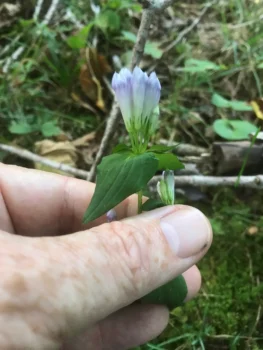
Agueweed: A Delicate Native Gentian Worth Growing
If you’re looking to add a touch of late-season color to your native garden, agueweed (Gentianella quinquefolia quinquefolia) might just be the charming little wildflower you’ve been searching for. This delicate member of the gentian family brings subtle beauty and ecological value to gardens across eastern North America.
What is Agueweed?
Agueweed, also known by its botanical name Gentianella quinquefolia quinquefolia, is a native North American wildflower that belongs to the gentian family. This herbaceous annual or perennial forb produces small, tubular flowers in shades of purple to blue that bloom from late summer into fall, providing a welcome splash of color when many other wildflowers are fading.
You might also encounter this plant listed under its synonyms Gentiana quinquefolia or Gentianella quinquefolia var. quinquefolia in older botanical references.
Native Status and Geographic Range
Agueweed is truly a native treasure, naturally occurring throughout eastern North America. Its range extends from southeastern Canada down through the eastern United States. You can find this species growing wild in Ontario, Connecticut, Georgia, Maine, Maryland, Massachusetts, New Hampshire, New Jersey, New York, North Carolina, Pennsylvania, South Carolina, Tennessee, Vermont, Virginia, and West Virginia.
- Species observed
- No observations
Important Conservation Note
Before you rush out to plant agueweed, there’s something important you should know: this species has a rarity status in some areas. In New Jersey, for instance, it’s listed as S2 (imperiled) and appears on the Highlands Listed species. This means that while we absolutely encourage growing this beautiful native, it’s crucial to source your plants or seeds responsibly from reputable native plant nurseries rather than collecting from wild populations.
Why Grow Agueweed in Your Garden?
There are several compelling reasons to include agueweed in your native plant garden:
- Late-season blooms: When most wildflowers are calling it quits for the year, agueweed is just getting started, providing nectar for pollinators when few other sources are available
- Pollinator magnet: The small flowers attract native bees and butterflies, supporting local ecosystems
- Conservation value: By growing this species, you’re helping preserve genetic diversity and potentially providing seed sources for restoration projects
- Understated beauty: The delicate purple-blue flowers add subtle elegance without overwhelming other plants
- Low maintenance: Once established, this native requires minimal care
Growing Conditions and Care
Agueweed thrives in USDA hardiness zones 3-7, making it suitable for most temperate regions where it naturally occurs. This adaptable little plant performs best in:
- Light: Partial shade to full sun
- Soil: Moist, well-drained soils
- Moisture: Consistent moisture without waterlogging
- Climate: Cool, temperate conditions
Planting and Propagation Tips
Growing agueweed from seed is your best bet, as this species can be challenging to find as transplants. Here’s how to get started:
- Direct sow seeds in fall to provide natural cold stratification over winter
- If starting indoors, seeds require 60-90 days of cold, moist stratification in the refrigerator
- Surface sow seeds as they need light to germinate
- Keep soil consistently moist during germination and establishment
- Be patient – germination can be sporadic and slow
Garden Design Ideas
Agueweed works beautifully in several garden settings:
- Native wildflower gardens: Pairs well with other late-blooming natives like asters and goldenrods
- Woodland edges: Perfect for transitional areas between forest and open space
- Naturalized meadows: Adds diversity to grassland restorations
- Rain gardens: Tolerates periodic moisture fluctuations
The Bottom Line
Agueweed may be small in stature, but it’s big on ecological value and quiet charm. If you can source it responsibly, this native gentian makes a wonderful addition to gardens focused on supporting local wildlife and preserving regional plant heritage. Just remember to be patient with germination and establishment – the best native plants are often worth the wait!
By choosing to grow agueweed, you’re not just adding another pretty flower to your garden; you’re participating in conservation efforts and providing valuable resources for native pollinators when they need them most. Now that’s what we call gardening with purpose.