‘Ahakea Lau Nui: A Rare Hawaiian Treasure for Your Native Garden
If you’re passionate about native Hawaiian plants and want to add something truly special to your garden, ‘ahakea lau nui might just be the perfect choice. This beautiful native shrub, scientifically known as Bobea elatior, represents one of Hawaii’s botanical treasures – but it’s also one that needs our help to survive.
What Makes ‘Ahakea Lau Nui Special?
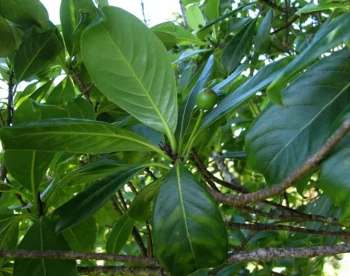
‘Ahakea lau nui is a perennial shrub that’s completely native to the Hawaiian Islands. As a member of Hawaii’s indigenous plant community, it has evolved over thousands of years to thrive in the islands’ unique climate and ecosystem. This multi-stemmed woody plant typically grows to a manageable 13-16 feet tall, making it perfect for medium-sized landscapes and naturalistic gardens.
The plant produces clusters of small white flowers that eventually develop into dark berries, creating visual interest throughout different seasons. Its attractive foliage and moderate size make it an excellent choice for those looking to create authentic Hawaiian landscapes.
Where Does It Grow?
This endemic species is found only in Hawaii, where it naturally grows in mesic to dry forest environments. You’ll typically find it growing as an understory plant, thriving in the dappled light beneath taller native trees.
- Species observed
- No observations
Important Conservation Considerations
Here’s something crucial every potential grower should know: ‘ahakea lau nui has a Global Conservation Status of S3, which means it’s considered vulnerable. With only an estimated 21-100 occurrences or between 3,000-10,000 individual plants remaining in the wild, this species faces real threats to its survival.
What does this mean for gardeners? While we absolutely encourage growing this beautiful native plant, it’s essential that you source your plants responsibly. Only purchase from reputable nurseries that propagate plants ethically rather than collecting from wild populations. By growing ‘ahakea lau nui in your garden, you’re actually helping conserve this rare species!
Perfect Garden Settings
‘Ahakea lau nui shines in several landscape applications:
- Native Hawaiian restoration gardens
- Naturalistic forest-style plantings
- Understory layers beneath taller native trees
- Conservation-focused landscapes
- Educational or demonstration gardens
Growing Conditions and Care
Good news for Hawaiian gardeners – ‘ahakea lau nui is relatively straightforward to grow once you understand its preferences:
Climate: Thrives in USDA hardiness zones 10-12, making it perfect for tropical and subtropical regions.
Light: Adapts well to partial shade or full sun conditions, though it naturally grows as an understory plant.
Soil: Prefers well-draining soils. Its wetland status as Facultative Upland means it usually grows in non-wetland conditions but can tolerate some moisture.
Water: Moderate water needs. Once established, it’s relatively drought-tolerant, reflecting its adaptation to Hawaii’s dry forest environments.
Planting and Ongoing Care
Getting your ‘ahakea lau nui off to a good start is key to long-term success:
- Plant during Hawaii’s milder months when establishment stress is reduced
- Apply organic mulch around the base to retain moisture and suppress weeds
- Water regularly during the first year while roots establish
- Prune lightly after flowering to maintain shape and encourage new growth
- Watch for the small white flower clusters that attract native Hawaiian pollinators
Supporting Hawaiian Ecosystems
By choosing ‘ahakea lau nui for your landscape, you’re doing more than just adding a beautiful plant – you’re supporting native Hawaiian pollinators and contributing to ecosystem restoration. The flowers provide nectar for native insects, while the overall plant helps maintain the genetic diversity of Hawaii’s unique flora.
Is ‘Ahakea Lau Nui Right for Your Garden?
This remarkable native shrub is perfect for gardeners who want to:
- Support conservation efforts through responsible gardening
- Create authentic Hawaiian landscapes
- Attract native pollinators and wildlife
- Grow something truly unique and meaningful
Remember, when you choose to grow ‘ahakea lau nui, you’re not just adding another plant to your garden – you’re becoming a steward of Hawaii’s natural heritage. Just make sure to source your plants from reputable, conservation-minded nurseries, and you’ll be contributing to the preservation of this vulnerable species for future generations to enjoy.