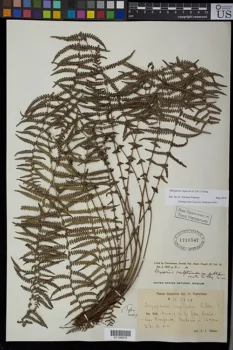
Ainahou Valley Woodfern: A Rare Hawaiian Endemic Worth Knowing About
Meet the Ainahou Valley woodfern (Dryopteris subbipinnata), a fascinating and elusive fern species that calls the beautiful Hawaiian islands home. This perennial fern represents one of Hawaii’s unique botanical treasures, though it remains somewhat mysterious even to botanists and plant enthusiasts.
What Makes This Fern Special?
The Ainahou Valley woodfern is what botanists classify as a forb – essentially a vascular plant that doesn’t develop significant woody tissue above ground. Unlike the towering trees or shrubs you might picture when thinking of Hawaiian plants, this fern maintains a more humble, herbaceous growth pattern while still being a true perennial that returns year after year.
What’s particularly intriguing about this species is its apparent rarity in both the wild and cultivation. You won’t find this fern at your local garden center, and even specialized native plant nurseries rarely carry it.
Where Does It Call Home?
This woodfern is a true Hawaiian endemic, meaning it exists nowhere else on Earth except in the Hawaiian islands. As its common name suggests, it has strong associations with the Ainahou Valley region, making it a geographically specialized species even within its limited island range.
- Species observed
- No observations
Garden and Landscape Considerations
Here’s where things get a bit tricky for eager gardeners. While this fern would undoubtedly make a unique addition to a Hawaiian native plant garden, its extreme rarity means it’s not readily available for cultivation. If you’re lucky enough to encounter this species, it would likely be through:
- Specialized botanical gardens with Hawaiian endemic collections
- Research institutions studying Hawaiian flora
- Very limited conservation propagation programs
The fern’s classification as facultative upland tells us it typically prefers non-wetland conditions but can tolerate some moisture, suggesting it might thrive in well-draining garden spots rather than boggy areas.
The Reality for Home Gardeners
Let’s be honest – you probably won’t be planting this particular fern in your garden anytime soon. But that doesn’t make it any less worthy of appreciation! Understanding and learning about rare endemic species like the Ainahou Valley woodfern helps us appreciate the incredible biodiversity that islands like Hawaii harbor.
If you’re interested in Hawaiian native ferns for your garden, consider looking for more readily available species like:
- Hawaiian tree fern (Cibotium chamissoi)
- Sword fern (Nephrolepis exaltata)
- Other Dryopteris species that may be more commonly cultivated
Why This Fern Matters
Even if we can’t grow it in our backyards, the Ainahou Valley woodfern serves as an important reminder of Hawaii’s unique evolutionary story. Each endemic species represents thousands of years of adaptation to very specific island conditions, creating plants found nowhere else on the planet.
For those passionate about conservation, supporting organizations that work to protect Hawaiian native habitats helps ensure that rare species like Dryopteris subbipinnata continue to thrive in their natural environments for future generations to study and appreciate.
While you may not be able to add this particular woodfern to your garden collection, knowing about it connects you to the broader story of Hawaiian biodiversity – and that’s pretty special in itself!