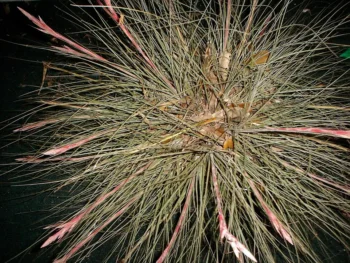
The Florida Airplant: A Unique Native Hybrid Worth Knowing
Meet Tillandsia bartramii × fasciculata, a fascinating native airplant that calls Florida home. This perennial beauty represents something special in the plant world – a naturally occurring hybrid that showcases the incredible diversity found in our native flora.
What Makes This Airplant Special?
Unlike your typical garden plants that need soil to thrive, this airplant belongs to a group of plants known as epiphytes. As a forb – essentially a non-woody plant – it has adapted to life without traditional roots in soil. Instead, it absorbs moisture and nutrients directly from the air around it, making it a true conversation starter in any garden setting.
Where You’ll Find This Native Gem
This unique hybrid is native to the lower 48 states, with its natural range concentrated in Florida. It’s a true Sunshine State original, having evolved to thrive in the humid, subtropical conditions that make Florida’s climate so distinctive.
- Species observed
- No observations
Why Consider This Airplant for Your Garden?
There are several compelling reasons to welcome this native hybrid into your landscape:
- It’s a perennial, meaning you’ll enjoy its presence year after year
- As a native species, it supports local ecosystem health
- Its unique growth habit adds architectural interest to gardens
- It requires no soil, making it perfect for creative mounting and display options
The Challenge: Limited Growing Information
Here’s where things get interesting – and a bit challenging. As a naturally occurring hybrid, specific growing information for Tillandsia bartramii × fasciculata is quite limited in horticultural literature. This means gardeners interested in this plant will need to approach it with some experimental spirit.
What We Do Know
While detailed care instructions aren’t readily available for this specific hybrid, we can share what the data tells us:
- It’s classified as having synonyms including Tillandsia polystachya and Tillandsia ×smalliana
- It maintains the perennial nature typical of Tillandsia species
- As a native Florida plant, it’s adapted to warm, humid conditions
Approaching Care for This Unique Plant
Given the limited specific information available, gardeners interested in this hybrid should:
- Research care requirements for its parent species (T. bartramii and T. fasciculata) as a starting point
- Provide bright, indirect light typical of most Tillandsia species
- Ensure good air circulation around the plant
- Consider Florida’s native growing conditions when planning placement
A Plant for the Adventurous Gardener
Tillandsia bartramii × fasciculata represents an exciting opportunity for gardeners who love native plants and enjoy working with species that aren’t found in every garden center. While we don’t have complete growing guides readily available, this hybrid offers the chance to work with a truly unique piece of Florida’s natural heritage.
If you’re drawn to native plants, love the idea of soil-free gardening, and enjoy the challenge of working with less common species, this airplant hybrid might just be the perfect addition to your collection. Just remember to source your plants responsibly and be prepared for some trial and learning along the way!