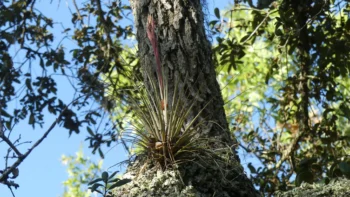
Florida Airplant: A Native Epiphyte Worth Knowing
If you’re looking to add some truly unique Florida native character to your garden, the Florida airplant (Tillandsia ×floridana) might just be the conversation starter you’ve been seeking. This fascinating native plant brings a touch of the exotic right to your backyard, and the best part? It’s actually supposed to be here!
What Makes This Plant Special?
Tillandsia ×floridana is a native airplant that calls Florida home. As a perennial member of the bromeliad family, this plant has earned its place in the unique category of epiphytes – plants that live on other plants without harming them. Think of them as nature’s decorators, adding visual interest wherever they decide to set up shop.
While commonly known simply as airplant, this particular species goes by the scientific name Tillandsia ×floridana, and you might occasionally see it referenced by its synonym, Tillandsia fasciculata var. floridana. The × in its name indicates that this is actually a natural hybrid, making it even more special in the plant world.
Where You’ll Find It Growing Wild
This airplant is exclusively native to Florida, making it a true state treasure. If you’re gardening in the Sunshine State, you’re working with a plant that has evolved specifically for your local conditions.
- Species observed
- No observations
Why Consider Growing Florida Airplant?
There are several compelling reasons to welcome this native into your landscape:
- True Florida native: Supporting local ecosystems by choosing plants that naturally belong
- Low maintenance: As an epiphyte, it doesn’t require soil or traditional watering methods
- Unique visual appeal: Adds architectural interest and conversation value to any space
- Space efficient: Perfect for small gardens or areas where ground space is limited
Garden Design Ideas
Florida airplants shine in several landscape applications. Consider mounting them on tree trunks, incorporating them into outdoor living spaces, or creating dedicated epiphyte gardens. They work particularly well in naturalistic Florida landscapes where you want to showcase native biodiversity.
These plants are perfect for gardeners who appreciate the less is more philosophy – they make a statement without requiring the space or resources of traditional planted beds.
Growing Considerations
While specific growing requirements for Tillandsia ×floridana are not well-documented, this plant’s native Florida status suggests it’s adapted to the state’s humidity, temperature fluctuations, and seasonal patterns. Like other airplants, it likely prefers bright, indirect light and good air circulation.
Since this appears to be a less common or potentially rare hybrid, sourcing may be challenging. If you’re interested in growing Florida airplant, work with reputable native plant nurseries who can ensure you’re getting responsibly sourced material.
A Word of Caution
Due to limited available information about this specific hybrid, including its rarity status and specific care requirements, we recommend approaching Tillandsia ×floridana cultivation thoughtfully. Connect with local native plant societies, botanical gardens, or university extension services for the most current information about availability and proper care.
The Bottom Line
Tillandsia ×floridana represents the kind of unique native plant that makes Florida gardening special. While it may not be the easiest plant to find or the most well-documented in terms of care, its native status and distinctive character make it worth investigating for dedicated native plant enthusiasts.
If you can source it responsibly and you’re committed to learning its specific needs, this Florida airplant could become a treasured addition to your native landscape. Just remember – sometimes the most rewarding plants are the ones that require a little extra detective work!