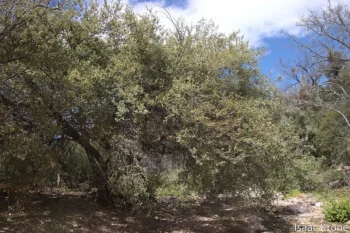
Ajo Mountain Scrub Oak: A Rare Native Gem for Southwest Gardens
If you’re looking to add authentic southwestern character to your landscape while supporting local ecosystems, the Ajo Mountain scrub oak might just be your perfect match. This compact native oak brings all the charm of its towering cousins but in a more manageable, drought-loving package that’s tailor-made for water-wise gardening.
Meet the Ajo Mountain Scrub Oak
Known botanically as Quercus ajoensis, this perennial shrub is a true southwestern native that calls Arizona, Colorado, and New Mexico home. You might also encounter it listed under its former scientific names, including Quercus turbinella var. ajoensis, but don’t let the taxonomy shuffle confuse you – we’re talking about the same wonderful plant.
This scrub oak typically grows as a multi-stemmed woody shrub, usually staying under 13-16 feet tall, though it can occasionally stretch taller or develop a single trunk depending on growing conditions. Think of it as the oak family’s answer to good things come in small packages.
Where You’ll Find It Growing Wild
The Ajo Mountain scrub oak has carved out its niche in the mountainous regions of the American Southwest, primarily in Arizona but extending into parts of Colorado and New Mexico. It’s perfectly adapted to the challenging conditions of this region – blazing sun, limited rainfall, and rocky soils that would make many plants throw in the trowel.
- Species observed
- No observations
A Word About Rarity
Here’s something important to know: this oak carries a Global Conservation Status of S2S4, which means it’s considered somewhat rare and potentially vulnerable. While this shouldn’t discourage you from growing it, it does mean you should be extra thoughtful about sourcing. Always purchase from reputable native plant nurseries that propagate their own stock rather than wild-collecting.
Why Your Garden (and Local Wildlife) Will Love It
Beyond its obvious appeal as a native plant that’s perfectly suited to southwestern conditions, the Ajo Mountain scrub oak is a wildlife magnet. Like all oaks, it supports an incredible diversity of insects – we’re talking hundreds of species that depend on oak trees for food and shelter. These insects, in turn, feed the birds, creating a bustling ecosystem right in your backyard.
The acorns it produces are also appreciated by various wildlife species, from squirrels to birds. While the oak itself is wind-pollinated (no flashy flowers here), it indirectly supports pollinators by hosting the insects they feed on.
Perfect Garden Roles
This adaptable shrub excels in several landscape situations:
- Xeriscaping and drought-tolerant gardens
- Native plant landscapes
- Wildlife habitat gardens
- Rock gardens and naturalized areas
- Erosion control on slopes
- Low-maintenance landscape foundations
Growing Conditions That Make It Happy
The beauty of native plants is that they’re already adapted to local conditions, and the Ajo Mountain scrub oak is no exception. Here’s what it loves:
- Sunlight: Full sun to partial shade
- Soil: Well-draining soils (it’s not picky about soil type)
- Water: Drought-tolerant once established
- Climate: USDA Hardiness Zones 6-9
Planting and Care Tips
Good news for busy gardeners: this oak is refreshingly low-maintenance once it gets its feet under it. Here’s how to set it up for success:
Planting: Choose a spot with good drainage – this is non-negotiable. Plant in spring or fall when temperatures are moderate. Dig a hole about as deep as the root ball and twice as wide.
Watering: Water regularly the first year to help establish roots, then back off significantly. Once established, it should thrive on natural rainfall in most areas.
Pruning: Minimal pruning needed. Remove dead or damaged wood as necessary, but resist the urge to over-prune.
Fertilizing: Skip it! Native plants typically don’t need fertilizer and may actually perform worse with it.
The Bottom Line
The Ajo Mountain scrub oak is an excellent choice for gardeners who want to create authentic southwestern landscapes while supporting local wildlife. Its drought tolerance, low maintenance requirements, and ecological benefits make it a winner. Just remember to source responsibly given its conservation status, and you’ll have a remarkable native plant that connects your garden to the broader southwestern ecosystem.
Whether you’re creating a full native plant garden or just want to add some authentic regional character to your landscape, this little oak delivers big on both beauty and ecological function.