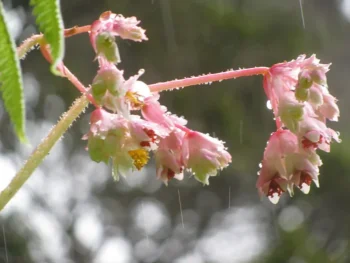
Aka’aka’aka: Hawaii’s Rare and Remarkable Native Groundcover
Meet aka’aka’aka (Hillebrandia sandwicensis), one of Hawaii’s most unique and endangered native plants. This charming little groundcover might not be the showiest plant in the garden, but it holds a special place in Hawaiian ecosystems and the hearts of native plant enthusiasts.
A True Hawaiian Endemic
Aka’aka’aka is found exclusively in Hawaii, making it a genuine island treasure. This perennial forb calls the wet forests and stream banks of the Hawaiian Islands home, where it thrives in the cool, misty conditions of higher elevations.
- Species observed
- No observations
What Makes Aka’aka’aka Special
Don’t let its modest appearance fool you – aka’aka’aka has plenty of charm. This low-growing plant forms delicate mats of heart-shaped leaves topped with small, white to pinkish flowers that seem to dance in the forest breeze. As a forb, it’s an herbaceous perennial without woody stems, making it perfect for creating soft, naturalistic groundcover in shaded areas.
An Important Conservation Alert
Here’s where things get serious: aka’aka’aka has a Global Conservation Status of S2, meaning it’s imperiled. With only 6 to 20 known occurrences and roughly 1,000 to 3,000 individuals remaining in the wild, this plant is fighting for survival. This rarity status means that if you’re considering adding aka’aka’aka to your garden, you must source it responsibly from reputable native plant nurseries or conservation programs – never from wild populations.
Growing Aka’aka’aka: For the Dedicated Gardener
Growing aka’aka’aka isn’t for beginners, but dedicated native plant enthusiasts can succeed with the right approach. This plant has very specific needs that mirror its natural habitat:
- Location: USDA hardiness zones 10-11 only
- Light: Prefers filtered shade to full shade
- Moisture: Consistently moist but well-draining soil
- Humidity: High humidity is essential
- Temperature: Cool, stable temperatures
Where Aka’aka’aka Shines in the Landscape
This plant is perfect for:
- Native Hawaiian restoration gardens
- Shaded bog or rain gardens
- Naturalistic groundcover in moist, shaded areas
- Conservation-focused landscapes
Its facultative wetland status means it can handle both wetland and non-wetland conditions, making it versatile for different moisture levels in your garden.
Caring for Your Aka’aka’aka
Success with aka’aka’aka requires patience and attention to detail:
- Maintain consistent moisture without waterlogging
- Protect from direct sunlight and drying winds
- Provide good air circulation to prevent fungal issues
- Use organic mulch to maintain soil moisture and temperature
- Be patient – this plant grows slowly and may take time to establish
Supporting Native Pollinators
While small, aka’aka’aka’s flowers provide nectar for native Hawaiian insects, making it a valuable addition to pollinator-friendly native gardens. Every plant helps support the intricate web of relationships that make Hawaiian ecosystems unique.
The Bottom Line
Aka’aka’aka is a plant for gardeners who are passionate about conservation and preserving Hawaii’s natural heritage. While it’s not the easiest plant to grow, it offers the rare opportunity to nurture one of Hawaii’s endangered species right in your garden. If you’re up for the challenge and can source it responsibly, aka’aka’aka rewards dedicated gardeners with its quiet beauty and the satisfaction of supporting conservation efforts.
Remember: always purchase from reputable sources that propagate rather than wild-collect this precious plant. Your garden can become part of the solution in preserving Hawaii’s unique botanical heritage.