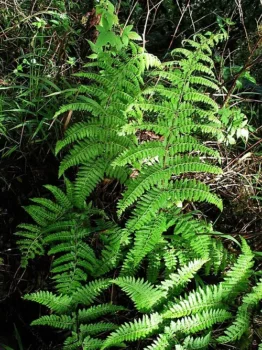
Akolea: Hawaii’s Delicate Native Fern for Shade Gardens
Meet akolea (Athyrium microphyllum), one of Hawaii’s most graceful native ferns that’s quietly making its way into the hearts of shade gardeners. This delicate beauty belongs to the lady fern family and offers something truly special for those looking to create authentic Hawaiian landscapes or simply add tropical elegance to their shaded spaces.
A True Hawaiian Native
Akolea is endemic to the Hawaiian Islands, meaning you won’t find this particular species growing wild anywhere else in the world. As a native Hawaiian plant, it has evolved specifically to thrive in the islands’ unique climate and ecosystem conditions. This perennial fern has been gracing Hawaii’s wet forests for thousands of years, making it a genuine piece of Hawaiian natural heritage.
The fern grows exclusively in Hawaii, where it plays an important role in the native forest ecosystem.
- Species observed
- No observations
Important Conservation Note
Before you fall head-over-heels for this beautiful fern, there’s something important you should know: akolea has a Global Conservation Status of S3, which means it’s considered vulnerable. This classification indicates that the species is at risk due to its limited range, small population size, or other factors that could lead to its decline.
What does this mean for gardeners? If you’re interested in growing akolea, please only source plants from reputable nurseries that propagate them responsibly rather than collecting from wild populations. Every plant matters when it comes to conservation!
Why Gardeners Love Akolea
Despite its vulnerable status, akolea can be a wonderful addition to appropriate gardens when sourced responsibly. Here’s what makes it special:
- Delicate, finely divided fronds create an elegant, lacy texture
- Perfect for adding authentic Hawaiian character to landscapes
- Thrives in shade where many other plants struggle
- Low-maintenance once established in proper conditions
- Supports native ecosystem restoration efforts
Growing Conditions and Care
Akolea is suited for USDA hardiness zones 10-12, making it ideal for tropical and subtropical climates. If you live outside these zones, consider growing it as a houseplant or in a greenhouse.
This fern has a facultative wetland status, meaning it can grow in both wetland and non-wetland conditions, though it definitely prefers consistent moisture. Here’s what akolea needs to thrive:
- Light: Partial to full shade – direct sunlight can scorch the delicate fronds
- Soil: Moist, well-draining, organic-rich soil
- Water: Consistent moisture without waterlogging
- Humidity: High humidity levels (typical of its native wet forest habitat)
- Temperature: Warm, stable temperatures year-round
Perfect Garden Settings
Akolea shines in several garden styles:
- Shade gardens: Excellent as an understory plant beneath larger trees or shrubs
- Tropical landscapes: Adds authentic Hawaiian flair to tropical garden designs
- Woodland gardens: Creates natural-looking forest floor plantings
- Container gardens: Beautiful in large pots on shaded patios or lanais
Planting and Care Tips
When planting akolea, choose a location that mimics its natural habitat – think dappled shade with good air circulation and protection from strong winds. The soil should be rich in organic matter, similar to forest floor conditions.
Water regularly to maintain consistent soil moisture, but ensure good drainage to prevent root rot. Adding a layer of organic mulch around the plant helps retain moisture and provides slow-release nutrients as it decomposes.
As a fern, akolea doesn’t produce flowers, so it won’t directly attract pollinators like bees and butterflies. However, it does contribute to the overall ecosystem health and can provide habitat for small creatures in your garden.
A Living Piece of Hawaii
Growing akolea responsibly is more than just adding a beautiful plant to your garden – it’s participating in the conservation of Hawaii’s unique natural heritage. By choosing to grow this vulnerable native species from responsibly sourced plants, you’re supporting both biodiversity and the nurseries working to preserve these special ferns.
Whether you’re creating an authentic Hawaiian landscape or simply want to grow something truly unique in your shade garden, akolea offers beauty, heritage, and the satisfaction of supporting native plant conservation. Just remember: always source responsibly and help keep this beautiful fern thriving for future generations to enjoy.