‘Aku: Hawaii’s Rare Native Beauty Worth Growing Responsibly
If you’re passionate about native Hawaiian plants and have the right growing conditions, ‘aku (Cyanea angustifolia) might just be the perfect addition to your tropical garden. This stunning member of the bellflower family is as rare as it is beautiful, making it a true treasure for dedicated native plant enthusiasts.
What Makes ‘Aku Special
Known botanically as Cyanea angustifolia, ‘aku is a perennial shrub that’s completely endemic to Hawaii. This means you won’t find this beauty growing wild anywhere else on Earth! The plant typically develops into a multi-stemmed woody shrub, usually staying under 13-16 feet in height, though it can sometimes grow taller or develop a single stem depending on its environment.
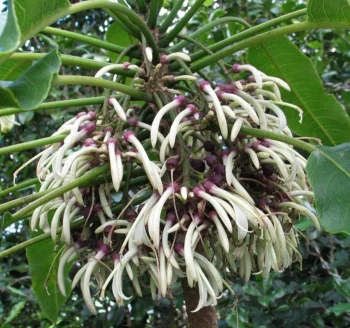
What really catches the eye are ‘aku’s distinctive features: large, paddle-shaped leaves and tubular flowers that bloom in shades of purple and blue. These aren’t just pretty faces either – the flowers play a crucial role in Hawaii’s ecosystem by attracting native Hawaiian birds, particularly the endangered Hawaiian honeycreepers.
Where ‘Aku Calls Home
‘Aku grows naturally across several Hawaiian islands, including Oahu, Molokai, and Maui, where it thrives in the islands’ unique tropical climate and ecosystem.
- Species observed
- No observations
Important Conservation Note
Here’s something every gardener needs to know: ‘aku has a Global Conservation Status of S2S3, indicating it’s rare and potentially vulnerable in the wild. This means if you’re considering adding this plant to your garden, it’s absolutely crucial to source it only from reputable nurseries that propagate plants responsibly – never collect from wild populations.
Growing ‘Aku Successfully
Ready to give ‘aku a home in your garden? Here’s what this Hawaiian native needs to thrive:
Climate Requirements
- USDA Hardiness Zones 10-12 only (tropical and subtropical climates)
- High humidity levels
- Protection from strong winds
Light and Soil Needs
- Partial to full shade – avoid direct, harsh sunlight
- Moist, well-draining soil rich in organic matter
- Consistent moisture without waterlogging
Care Tips
- Water regularly to maintain soil moisture
- Mulch around the base to retain humidity and suppress weeds
- Feed with organic fertilizer during growing season
- Protect from temperature extremes
Garden Design Ideas
‘Aku works beautifully as an accent plant in tropical and subtropical gardens. Its unique form and flowers make it perfect for:
- Native Hawaiian landscape designs
- Shade gardens with other tropical plants
- Conservation gardens focused on rare species
- Bird-friendly landscapes that support native wildlife
Supporting Hawaiian Wildlife
When you grow ‘aku, you’re not just adding beauty to your landscape – you’re supporting Hawaii’s native ecosystem. The plant’s tubular flowers are specially adapted to attract native Hawaiian birds, making your garden a refuge for these often-endangered species. It’s a wonderful way to participate in conservation right in your own backyard.
Is ‘Aku Right for Your Garden?
‘Aku is ideal for gardeners who:
- Live in tropical climates (zones 10-12)
- Can provide consistent shade and moisture
- Are committed to responsible plant sourcing
- Want to support native Hawaiian wildlife
- Appreciate rare and unique plant species
If you can meet these requirements and source your plant responsibly, ‘aku offers the unique opportunity to grow a piece of Hawaii’s irreplaceable natural heritage while creating habitat for native wildlife. Just remember – with rarity comes responsibility, so always choose nursery-propagated plants over wild-collected specimens.