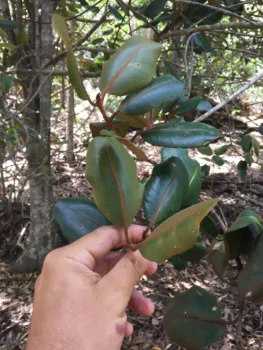
Growing ‘Ala’a: Hawaii’s Treasured Native Tree Worth Protecting
If you’re passionate about Hawaiian native plants and want to add a piece of authentic island heritage to your garden, meet ‘ala’a (Planchonella sandwicensis) – a truly special tree that deserves a spot in more Hawaiian landscapes. This endemic beauty isn’t just another pretty plant; it’s a living connection to Hawaii’s natural history that’s currently fighting for survival.
What Makes ‘Ala’a Special?
‘Ala’a is a native Hawaiian tree that belongs exclusively to the islands – you won’t find it growing wild anywhere else in the world. This perennial woody plant typically grows as a large shrub or small tree, usually staying under 16 feet tall, though it can reach up to 40 feet at maturity under ideal conditions. With its glossy green foliage and fine-textured leaves, ‘ala’a brings an understated elegance to any native garden.
Where Does ‘Ala’a Grow?
This remarkable tree is found exclusively in Hawaii, where it grows naturally in dry to mesic forests across the island chain. As an endemic species, ‘ala’a has evolved specifically to thrive in Hawaii’s unique climate and soil conditions.
- Species observed
- No observations
A Plant in Need: Understanding ‘Ala’a’s Conservation Status
Important conservation note: ‘Ala’a carries a Global Conservation Status of S3, meaning it’s considered vulnerable to extinction. With only 21 to 100 known occurrences and an estimated 3,000 to 10,000 individuals remaining in the wild, this tree is fighting for survival. If you choose to plant ‘ala’a, please ensure you source your plants from reputable native plant nurseries that propagate from ethically collected seeds or cuttings – never harvest from wild populations.
Growing ‘Ala’a Successfully
The good news? ‘Ala’a is surprisingly adaptable once established. Here’s what you need to know:
- Climate: Thrives in USDA zones 10-12, requiring frost-free conditions year-round (minimum 365 frost-free days)
- Temperature: Prefers temperatures above 40°F
- Sunlight: Does well in intermediate shade to partial sun
- Water needs: Medium drought tolerance once established, but appreciates occasional deep watering
- Soil: Requires well-draining soil with medium fertility requirements
- Root depth: Develops roots at least 36 inches deep
Aesthetic Appeal and Garden Role
‘Ala’a offers year-round beauty with its fine-textured, green foliage that provides moderate porosity – perfect for creating dappled shade. In spring and summer, the tree produces small but conspicuous green flowers that, while not showy, add subtle charm and attract native pollinators. The brown fruits that follow may not be particularly conspicuous, but they’re an important food source for wildlife.
This tree works beautifully as a specimen plant in native Hawaiian gardens, cultural landscapes, or restoration projects. Its mature height of up to 40 feet makes it an excellent choice for providing structure and vertical interest in larger landscapes.
Planting and Care Tips
- Propagation: Can be grown from seed (282 seeds per pound) or propagated by cuttings and sprigs
- Planting density: Space 320-640 plants per acre for restoration projects
- Establishment: Plant in well-draining soil and water regularly during establishment
- Maintenance: Low hedge tolerance, so avoid heavy pruning; allow natural form to develop
- Mulching: Apply organic mulch around the base to retain moisture and suppress weeds
Supporting Native Ecosystems
By growing ‘ala’a, you’re doing more than just adding a beautiful tree to your landscape – you’re participating in the preservation of Hawaii’s unique flora. This tree supports native Hawaiian ecosystems by providing habitat and food sources for indigenous wildlife, though specific wildlife benefits aren’t fully documented.
Is ‘Ala’a Right for Your Garden?
Consider ‘ala’a if you have:
- A commitment to growing native Hawaiian plants
- A garden in USDA zones 10-12
- Well-draining soil and space for a medium to large tree
- Access to responsibly sourced plant material
- Patience for a slow to moderate growth rate
‘Ala’a represents more than just another tree choice – it’s a chance to nurture a piece of Hawaii’s irreplaceable natural heritage. With thoughtful cultivation and responsible sourcing, we can help ensure this remarkable native species continues to grace Hawaiian landscapes for generations to come.