Alabama Croton: A Rare Native Gem Worth Protecting in Your Garden
Meet the Alabama croton (Croton alabamensis), a charming little shrub that’s become something of a botanical treasure hunt across the southeastern United States. This perennial woody plant might not be the showiest member of your garden party, but it’s got character, conservation value, and a fascinating story that makes it worth getting to know.
What Makes Alabama Croton Special
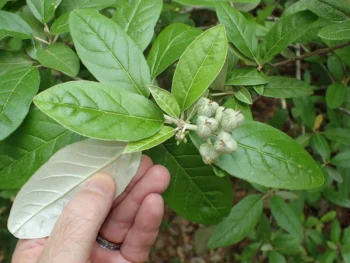
Alabama croton is a native shrub that typically grows as a multi-stemmed woody plant, usually staying under 13-16 feet tall. What sets this plant apart isn’t just its silvery-green foliage or its clusters of small, inconspicuous flowers—it’s the fact that you’re looking at a genuinely rare species that needs our help.
This little shrub has earned a Global Conservation Status of S3, meaning it’s considered vulnerable. With only 21 to 100 known occurrences and an estimated 3,000 to 10,000 individuals remaining in the wild, Alabama croton is like the botanical equivalent of a limited edition—rare, special, and worth protecting.
Where Alabama Croton Calls Home
True to its name, Alabama croton is native to the lower 48 states, specifically calling Alabama, Tennessee, and Texas home. Its limited range makes it even more precious to those lucky enough to live within its native territory.
- Species observed
- No observations
Should You Plant Alabama Croton?
Here’s where things get interesting. While Alabama croton would make a wonderful addition to native plant gardens and restoration projects, its vulnerable status means you’ll need to be extra thoughtful about sourcing. If you’re considering adding this rare beauty to your landscape, make sure you’re getting plants or seeds from reputable native plant nurseries that propagate responsibly—never collect from wild populations.
Perfect Spots for Alabama Croton
This adaptable shrub thrives in USDA hardiness zones 7-9, making it suitable for gardens across much of the southeastern United States. Alabama croton works beautifully in:
- Native plant gardens focused on regional species
- Wildlife habitat restoration areas
- Naturalized landscape sections
- Drought-tolerant garden designs
Growing Conditions That Make Alabama Croton Happy
The good news is that Alabama croton isn’t particularly fussy once it’s settled in. This hardy little shrub prefers:
- Well-drained soils (it doesn’t like wet feet)
- Full sun to partial shade conditions
- Minimal water once established—it’s quite drought tolerant
- Low maintenance care after the first growing season
Caring for Your Alabama Croton
One of the best things about Alabama croton is its low-maintenance nature. After establishment, this shrub pretty much takes care of itself. Water regularly during the first growing season to help it establish a strong root system, then step back and let it do its thing. It’s naturally adapted to southeastern conditions and doesn’t need much fussing once it’s happy in its new home.
Wildlife and Pollinator Benefits
While Alabama croton’s flowers might be small and understated, they’re valuable to local ecosystems. The blooms provide nectar for various small insects and specialized pollinators that have co-evolved with this native species. By growing Alabama croton, you’re supporting local biodiversity and providing resources that non-native plants simply can’t match.
The Conservation Connection
Here’s what makes growing Alabama croton truly meaningful: you’re participating in conservation. Every responsibly grown Alabama croton in a home garden represents genetic diversity preserved, habitat awareness raised, and a small but important step toward ensuring this species doesn’t disappear from our landscape forever.
If you’re lucky enough to live within Alabama croton’s native range and can source plants responsibly, you’ll be adding not just a unique native shrub to your garden, but a piece of southeastern botanical heritage that future generations will thank you for protecting.