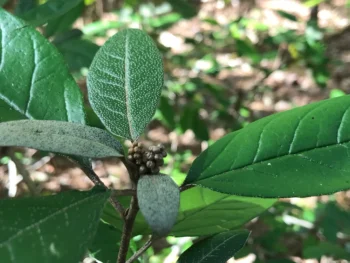
Alabama Croton: A Rare Native Shrub Worth Protecting
Meet the Alabama croton (Croton alabamensis var. alabamensis), a little-known native shrub that deserves a spot in the conversation about southeastern native plants. While it might not be the flashiest plant in your garden center, this modest perennial shrub carries significant ecological importance and offers dedicated native plant enthusiasts a chance to grow something truly special.
What Makes Alabama Croton Special?
Alabama croton is a multi-stemmed woody shrub that typically stays under 13-16 feet tall, making it a manageable size for most landscapes. As a true native of the southeastern United States, this plant has spent countless generations adapting to local conditions, developing relationships with native wildlife and contributing to the natural ecosystem.
Where Does It Call Home?
This croton variety has a rather exclusive address – you’ll find it naturally growing in Alabama and Tennessee. Its limited native range makes it a regional treasure that connects your garden directly to the local landscape heritage.
- Species observed
- No observations
The Rarity Factor: Handle With Care
Here’s where things get serious – Alabama croton is considered rare, with a conservation status of S3 in Alabama. This means the plant faces real conservation challenges in the wild. If you’re considering adding this native beauty to your garden, you absolutely must source it responsibly. Never collect from wild populations, and always purchase from reputable native plant nurseries that propagate their own stock.
Why Choose Alabama Croton for Your Garden?
Despite limited cultivation information, there are compelling reasons to consider this native shrub:
- Support local biodiversity by growing truly regional native plants
- Contribute to conservation efforts by maintaining genetic diversity in cultivation
- Create habitat connections for wildlife adapted to southeastern ecosystems
- Add an uncommon native species to specialized native plant collections
Growing Conditions and Care
While specific cultivation information for Alabama croton is limited due to its rarity, we can make educated assumptions based on its native habitat and related species:
- Likely thrives in USDA hardiness zones 7-9, matching its native range
- Probably prefers well-draining soils, as many native southeastern shrubs do
- May tolerate full sun to partial shade conditions
- Once established, should be relatively low-maintenance like most native plants
Best Garden Settings
Alabama croton isn’t for every garden, but it shines in specific settings:
- Native plant gardens focused on regional species
- Conservation-minded landscapes
- Specialized botanical collections
- Educational gardens highlighting rare local flora
The Bottom Line
Alabama croton represents something special in the native plant world – a chance to grow and protect a truly regional species. While it may not offer the immediate gratification of showier plants, it provides the deeper satisfaction of contributing to conservation efforts and connecting your landscape to local natural heritage.
If you do find responsibly sourced Alabama croton, treat it as the botanical treasure it is. Give it the care and respect due a rare native, and you’ll be part of ensuring this special shrub has a future both in gardens and in the wild.