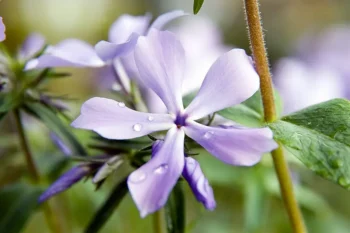
Alabama Phlox: A Rare Gem Worth Growing Responsibly
Meet Alabama phlox (Phlox pulchra), one of the South’s best-kept botanical secrets. This delicate perennial might be small in stature, but it packs a big punch when it comes to spring color and ecological value. However, before you fall head-over-heels for this charming wildflower, there’s something important you need to know about its conservation status.
A True Alabama Native
Alabama phlox is as local as they come – it’s found exclusively in Alabama, making it a true endemic species. This perennial forb calls the limestone-rich soils of north-central Alabama home, where it has evolved to thrive in very specific conditions. As a native plant, it plays an important role in supporting local ecosystems and wildlife.
- Species observed
- No observations
Why This Plant Deserves Your Attention (But Extra Care)
Here’s where things get serious: Alabama phlox has a Global Conservation Status of S2, meaning it’s considered imperiled. With typically only 6 to 20 occurrences remaining and fewer than 1,000 to 3,000 individuals in the wild, this little beauty is fighting for survival. If you’re considering adding it to your garden, please ensure you source it responsibly from reputable native plant nurseries that propagate rather than wild-collect their stock.
What Makes Alabama Phlox Special
Don’t let its rarity fool you into thinking this plant is finicky – Alabama phlox is actually quite charming and manageable when grown in the right conditions. Here’s what makes it garden-worthy:
- Delicate pink to lavender five-petaled flowers that appear in spring
- Low-growing habit perfect for rock gardens and ground cover applications
- Narrow, attractive foliage that provides texture even when not in bloom
- Excellent pollinator plant that attracts butterflies and moths
- Drought tolerant once established
Perfect Garden Situations
Alabama phlox isn’t your typical suburban garden plant – it has some specific preferences that make it ideal for certain situations:
- Rock gardens with excellent drainage
- Native plant gardens focused on regional species
- Woodland edge plantings
- Gardens with naturally alkaline or limestone-rich soils
- Xerophytic (low-water) landscapes
Growing Conditions That Make It Happy
Think limestone loving and you’ll be on the right track. Alabama phlox thrives in:
- Well-drained, alkaline soils (limestone-based preferred)
- Partial shade to full sun exposure
- USDA Hardiness Zones 6-8
- Areas with good air circulation
- Low to moderate moisture conditions
Planting and Care Tips
Successfully growing Alabama phlox is all about mimicking its natural habitat:
- Improve drainage by adding coarse sand or gravel to heavy soils
- Incorporate limestone chips or lime to increase soil pH if needed
- Plant in spring or fall when temperatures are moderate
- Water regularly the first year, then reduce as the plant establishes
- Avoid heavy fertilization – this plant prefers lean conditions
- Mulch lightly with gravel rather than organic mulch
A Plant That Gives Back
Beyond its ornamental value, Alabama phlox serves as an important nectar source for native pollinators. Butterflies and moths particularly appreciate its spring blooms when other nectar sources may be scarce. By growing this plant, you’re not just adding beauty to your garden – you’re supporting the intricate web of life that makes ecosystems function.
The Bottom Line
Alabama phlox is definitely worth growing if you can provide the right conditions and source it responsibly. Its rarity makes it a conversation starter and a genuine contribution to conservation efforts. Just remember: always purchase from reputable nurseries that propagate their own plants rather than collecting from wild populations. With proper care and responsible sourcing, you can enjoy this botanical treasure while helping ensure future generations can too.
If you can’t find responsibly sourced Alabama phlox, consider other native phlox species that might be more readily available in your area – they offer similar benefits with less conservation concern.