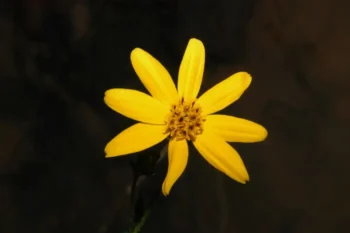
Alabama Warbonnet: A Rare Wetland Gem Worth Protecting
Meet the Alabama warbonnet (Jamesianthus alabamensis), a charming yet elusive native perennial that’s as rare as it is beautiful. This little-known wetland wildflower might not be on every gardener’s wish list, but for those with the right conditions and conservation mindset, it offers a unique opportunity to support a vulnerable species while creating stunning naturalistic displays.
Where Does Alabama Warbonnet Call Home?
This native beauty has a pretty exclusive address – you’ll only find Alabama warbonnet growing wild in Alabama and Georgia. It’s a true southeastern specialist that has adapted to very specific wetland conditions in these states.
- Species observed
- No observations
A Plant That Loves to Get Its Feet Wet
Alabama warbonnet is what botanists call an obligate wetland plant, which is a fancy way of saying it absolutely must have wet conditions to thrive. This perennial forb (a non-woody flowering plant) has evolved to live in consistently moist to saturated soils, making it quite different from your typical garden perennials.
As a herbaceous perennial, it lacks woody stems but returns year after year from underground parts. The plant produces clusters of small, delicate flowers that add a subtle charm to wetland areas.
Important Conservation Note
Here’s where things get serious: Alabama warbonnet has a Global Conservation Status of S3, meaning it’s considered vulnerable to extinction. With only an estimated 21 to 100 populations remaining and between 3,000 to 10,000 individuals total, this plant needs our help.
If you’re interested in growing Alabama warbonnet, please only obtain plants from reputable native plant nurseries that use responsibly sourced, legally obtained material. Never collect plants from the wild – every individual in nature is precious for the species’ survival.
Is Alabama Warbonnet Right for Your Garden?
Let’s be honest – this isn’t a plant for everyone. Alabama warbonnet thrives in USDA hardiness zones 7-9, but more importantly, it requires very specific growing conditions:
- Consistently wet to saturated soils
- Acidic soil conditions
- Partial shade to full sun exposure
- High humidity and moisture retention
This makes Alabama warbonnet perfect for:
- Bog gardens and constructed wetlands
- Rain gardens with poor drainage
- Naturalistic wetland restoration projects
- Specialized native plant collections
Supporting Pollinators and Wildlife
While Alabama warbonnet may be small and unassuming, it plays an important role in its native ecosystem. The delicate flowers attract various small pollinators, including native bees and other beneficial insects that have co-evolved with southeastern wetland plants.
Growing Alabama Warbonnet Successfully
If you have the right conditions and can source plants responsibly, here are some tips for success:
- Soil: Provide consistently moist, acidic soil that never dries out completely
- Water: This plant essentially wants to live in a bog – think constant moisture
- Location: Choose a spot that receives morning sun but some afternoon shade
- Patience: Like many specialized native plants, Alabama warbonnet may take time to establish
The Bottom Line
Alabama warbonnet isn’t your typical garden center find, and that’s probably for the best given its vulnerable status. However, for gardeners with appropriate wetland conditions who are passionate about conservation, growing this rare native can be a meaningful way to contribute to species preservation.
If your garden doesn’t have the right wetland conditions, consider supporting Alabama warbonnet conservation through native plant societies or by creating habitat for other southeastern wetland natives that are more readily available and less vulnerable.
Remember: every plant matters when it comes to rare species like Alabama warbonnet. By gardening responsibly and supporting conservation efforts, we can help ensure that future generations will still be able to marvel at this unique southeastern treasure.