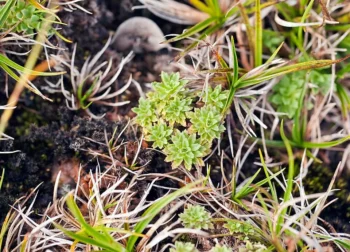
Alakai Swamp Island-Daisy: Hawaii’s Critically Endangered Wetland Gem
Meet one of Hawaii’s rarest botanical treasures – the Alakai Swamp island-daisy (Keysseria erici). This little-known native Hawaiian plant is so rare that you’ve probably never heard of it, and there’s a very good reason why you won’t find it at your local nursery.
What Makes This Plant Special?
The Alakai Swamp island-daisy is a perennial forb – essentially a non-woody flowering plant that comes back year after year. As part of the daisy family, it likely produces small, cheerful blooms, though detailed descriptions of its appearance are scarce due to its extreme rarity.
Where Does It Call Home?
This botanical rarity is found exclusively in Hawaii, specifically in the remote Alakai Swamp region of Kauai. It’s what botanists call an endemic species – meaning it exists nowhere else on Earth. Talk about being a true local!
- Species observed
- No observations
The Reality Check: Why You Shouldn’t (And Can’t) Grow This Plant
Here’s where we need to have a serious conversation. The Alakai Swamp island-daisy has a Global Conservation Status of S1, meaning it’s critically imperiled. In plain English? This plant is hanging on by a thread, with typically five or fewer locations where it still exists and fewer than 1,000 individual plants remaining in the wild.
The plant is officially listed as Endangered, which means:
- It’s illegal to collect from the wild
- It’s not available through commercial nurseries
- It requires specialized conservation efforts to survive
- Any cultivation should only be done through official conservation programs
Its Unique Habitat Needs
Even if this plant were available (which it isn’t for good reason), it would be nearly impossible to grow in a typical garden. The Alakai Swamp island-daisy is what’s called an obligate wetland species – it almost always occurs in wetlands and has very specific habitat requirements that are difficult to replicate:
- High-elevation bog conditions
- Constant moisture and humidity
- Specialized soil conditions found only in its native swamp environment
- Specific climate conditions of Kauai’s interior mountains
How You Can Help Instead
While you can’t grow this rare beauty in your garden, you can still support its conservation:
- Support organizations working on Hawaiian plant conservation
- Choose other native Hawaiian plants for your landscape if you live in Hawaii
- Spread awareness about Hawaii’s unique and threatened flora
- Visit botanical gardens that may have conservation programs for rare Hawaiian species
Native Alternatives for Hawaiian Gardens
If you’re gardening in Hawaii and want to support native species, consider these more readily available native alternatives that won’t put endangered species at risk:
- Native Hawaiian hibiscus species
- Hawaiian tree ferns
- Native Hawaiian mints
- Other native wetland plants appropriate for cultivation
The Bottom Line
The Alakai Swamp island-daisy serves as a powerful reminder of how precious and fragile our native plant communities can be. While we can’t bring this particular species into our gardens, we can honor it by making thoughtful choices about the plants we do grow and by supporting conservation efforts that help protect Hawaii’s unique botanical heritage for future generations.
Sometimes the most meaningful way to appreciate a plant is to admire it from afar and work to ensure it continues to thrive in its natural home.