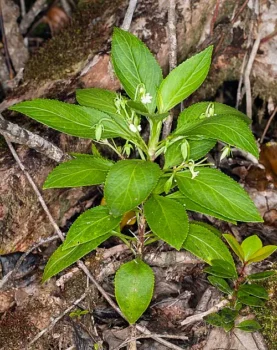
Alakai Swamp Violet: A Rare Hawaiian Native Worth Protecting
Meet the Alakai Swamp violet (Viola wailenalenae), one of Hawaii’s most elusive native treasures. This little-known perennial herb represents the unique botanical heritage of the Hawaiian Islands, though you’re unlikely to stumble across it in your typical garden center – and for good reason.
A True Hawaiian Endemic
The Alakai Swamp violet is exclusively native to Hawaii, making it a genuine island endemic. This perennial forb herb – basically a soft-stemmed flowering plant without woody growth – has evolved specifically within Hawaii’s unique ecosystems. Unlike its more common violet cousins found across the mainland, this species has adapted to the distinctive conditions of Hawaiian high-elevation wetlands.
You’ll find this rare violet naturally occurring only in Hawaii, where it has earned its place as part of the islands’ precious native flora.
- Species observed
- No observations
Why This Violet is Special (And Hard to Find)
Here’s where things get interesting – and a bit concerning. The Alakai Swamp violet carries a Global Conservation Status of S2?, which essentially means its population status is uncertain but likely quite limited. This rarity status puts it in a category where every individual plant matters for the species’ survival.
As a facultative wetland species, this violet typically thrives in wetland environments but can occasionally pop up in drier areas. This flexibility might seem like it would help the species spread, but its limited distribution tells a different story.
Growing Alakai Swamp Violet: Proceed with Caution and Care
If you’re considering adding this rare beauty to your garden, here’s what you need to know:
The Responsible Approach
Given its rarity status, we strongly recommend only planting Alakai Swamp violet if you can source it through responsible channels. This means:
- Working with reputable native plant nurseries that propagate from ethically obtained seeds
- Never collecting plants or seeds from wild populations
- Participating in legitimate conservation efforts rather than casual gardening
Growing Conditions
Based on its natural habitat and wetland status, the Alakai Swamp violet likely prefers:
- Moist to wet soil conditions
- Higher elevation environments similar to its native range
- Hawaii’s tropical climate zones (USDA zones 10-11)
- Partial shade conditions typical of native Hawaiian forests
Garden Role and Landscape Use
This isn’t your typical landscaping violet. The Alakai Swamp violet would be most appropriate in:
- Specialized native Hawaiian plant collections
- Conservation gardens focused on rare species preservation
- Educational gardens highlighting Hawaii’s endemic flora
- Wetland restoration projects (with proper permits and guidance)
The Conservation Connection
While we don’t have specific information about this violet’s wildlife benefits, most native Hawaiian plants play crucial roles in supporting endemic insects, birds, and other wildlife. Every rare native species like the Alakai Swamp violet represents thousands of years of evolution and adaptation to Hawaii’s unique environment.
By choosing to grow rare natives responsibly, you become part of a larger conservation effort to preserve Hawaii’s botanical heritage for future generations.
The Bottom Line
The Alakai Swamp violet represents both an opportunity and a responsibility. While it could make a meaningful addition to a specialized native garden, its rarity means that every decision about growing it should prioritize conservation over casual cultivation.
If you’re passionate about Hawaiian native plants and committed to responsible gardening practices, this rare violet could be a worthwhile addition to your conservation efforts. Just remember – with great botanical rarity comes great responsibility.
Consider reaching out to local Hawaiian native plant societies or conservation organizations to learn more about ethical ways to support this species and others like it. Sometimes the best way to help a rare plant is to support its preservation in the wild rather than in our gardens.