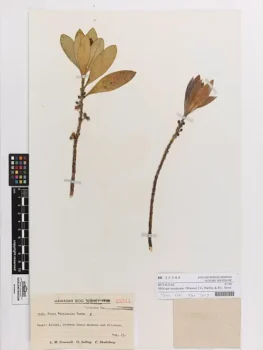
Alani Wai: A Rare Hawaiian Treasure Worth Protecting
Meet the alani wai (Melicope waialealae), one of Hawaii’s most precious and endangered native plants. This remarkable shrub tells a story of resilience, rarity, and the delicate balance of island ecosystems. While you might be drawn to add this unique Hawaiian native to your garden, there’s more to this plant’s story that every gardener should know.
A Plant with Many Names
Scientifically known as Melicope waialealae, this plant goes by the beautiful Hawaiian name alani wai. You might also encounter it in older botanical references under its former names, including Pelea waialealae. These name changes reflect our evolving understanding of Hawaiian flora and the plant’s proper taxonomic placement.
Where Does Alani Wai Call Home?
This perennial shrub is exclusively native to Hawaii, specifically found on the island of Kauai. It grows only in the wettest places on Earth – the cloud forests around Mount Wai’ale’ale, which receives over 400 inches of rainfall annually. Talk about loving your moisture!
- Species observed
- No observations
What Makes This Plant Special
Alani wai is classified as an obligate wetland plant, meaning it almost always occurs in wetland environments. As a multi-stemmed shrub, it typically reaches heights of 13-16 feet, though it can grow taller under ideal conditions. Its several stems arise from near the ground, creating a bushy, naturalistic appearance that fits perfectly into Hawaii’s lush landscape.
The Conservation Reality Check
Here’s where we need to have an important conversation. Alani wai carries a Global Conservation Status of S2, which means it’s imperiled due to extreme rarity. We’re talking about only 6-20 known occurrences in the wild, with fewer than 1,000-3,000 individual plants remaining. This makes it incredibly vulnerable to extinction.
Should You Plant Alani Wai?
While the idea of growing this unique Hawaiian native might be appealing, we strongly recommend against planting alani wai unless you’re working with conservation specialists and responsibly sourced material. Here’s why:
- Its extreme rarity makes wild collection devastating to remaining populations
- It requires very specific wetland conditions that are difficult to replicate
- It’s adapted to high-elevation cloud forest environments
- Conservation efforts should take priority over home gardening
Better Alternatives for Your Hawaiian Garden
Instead of alani wai, consider these more common native Hawaiian Melicope species that can provide similar aesthetic value without conservation concerns:
- Alani (Melicope clusiifolia) – more readily available
- Mokihana (Melicope anisata) – Kauai’s official lei plant
- Other native Hawaiian shrubs suited to your specific island and elevation
Growing Conditions (For Conservation Specialists Only)
If you’re involved in legitimate conservation efforts, alani wai requires:
- Obligate wetland conditions with consistent moisture
- High humidity and cloud forest environment
- USDA hardiness zones 10-11 (tropical conditions)
- Protection from direct sunlight and wind
- Specialized care from experienced native plant specialists
How You Can Help
Rather than trying to grow alani wai, here’s how you can support this incredible species:
- Support Hawaiian native plant conservation organizations
- Choose other native Hawaiian plants for your landscape
- Learn about and share awareness of Hawaii’s endangered flora
- Participate in habitat restoration projects if you’re in Hawaii
The Bigger Picture
Alani wai represents the unique evolutionary story of Hawaiian islands – plants that evolved in isolation and developed into species found nowhere else on Earth. While we can’t recommend growing this rare treasure in home gardens, we can appreciate its role in Hawaii’s natural heritage and work to ensure future generations will still be able to marvel at its existence in the wild.
Sometimes the best way to love a plant is to let it thrive where it belongs, protected and preserved for the future. That’s the real gift we can give to alani wai and Hawaii’s incredible botanical legacy.