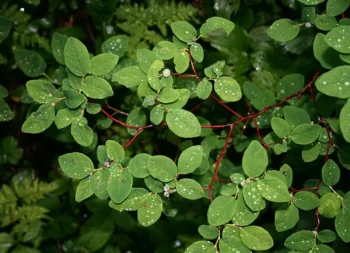
Alaska Blueberry: A Pacific Northwest Native Worth Growing
If you’re looking for a native shrub that delivers both beauty and bounty, meet the Alaska blueberry (Vaccinium alaskaense). This hardy perennial shrub brings the best of both worlds to your garden: lovely spring flowers, delicious summer berries, and the satisfaction of supporting local ecosystems with a truly native plant.
What Makes Alaska Blueberry Special?
Alaska blueberry is a multi-stemmed woody shrub that typically grows 4-5 feet tall, though it can occasionally reach up to 16 feet under ideal conditions. Don’t let the name fool you—while it’s certainly at home in the Last Frontier, this versatile native also thrives in the Pacific Northwest, calling Oregon and Washington home as well.
The shrub produces charming white to pinkish bell-shaped flowers in spring that give way to small, edible blue-purple berries in summer. As if that wasn’t enough, many gardeners also appreciate the attractive fall foliage that adds seasonal interest to the landscape.
Where Does Alaska Blueberry Grow Naturally?
This native beauty has established itself across Alaska, Oregon, and Washington, showing its preference for the cool, moist conditions of the Pacific Northwest. It’s perfectly adapted to the region’s climate and soil conditions, making it an excellent choice for gardeners wanting to work with nature rather than against it.
- Species observed
- No observations
Perfect for Your Garden Design
Alaska blueberry shines in several garden settings:
- Woodland gardens: Its natural understory habit makes it perfect for shaded areas under trees
- Native plant gardens: An authentic choice for Pacific Northwest native plantings
- Edible landscapes: Combines food production with ornamental value
- Naturalized areas: Great for creating low-maintenance, wildlife-friendly spaces
Growing Conditions and Care
Like most members of the blueberry family, Alaska blueberry has some specific preferences, but once you meet them, it’s relatively low-maintenance:
- Soil: Acidic soil with pH between 4.5-6.0 is essential
- Moisture: Consistent moisture is key—this plant doesn’t like to dry out
- Drainage: Well-draining soil prevents root rot while maintaining moisture
- Light: Adapts to partial shade through full sun, though some protection from intense afternoon sun is beneficial
- Climate: Hardy in USDA zones 3-7, perfect for cooler regions
Planting and Care Tips
Getting your Alaska blueberry off to a good start is crucial for long-term success:
- Test your soil pH before planting—if it’s not acidic enough, amend with sulfur or plant in raised beds with acidic soil mix
- Apply a thick layer of organic mulch to help retain moisture and suppress weeds
- Water regularly, especially during dry spells, but ensure good drainage
- Avoid heavy fertilization—these plants prefer lean, natural conditions
Benefits for Wildlife and Pollinators
Alaska blueberry isn’t just a treat for human gardeners. The spring flowers attract bees and other important pollinators, while the summer berries provide food for birds and small mammals. By choosing this native plant, you’re supporting the entire web of local wildlife that has evolved alongside it.
Wetland Adaptability
One of Alaska blueberry’s superpowers is its flexibility when it comes to moisture. It’s classified as facultative in wetland terms, meaning it can happily grow in both wetland and non-wetland conditions. This adaptability makes it an excellent choice for areas with variable moisture levels or for gardeners dealing with both dry and wet spots in their landscape.
Should You Plant Alaska Blueberry?
If you live in the Pacific Northwest and want a native plant that offers multiple benefits—edible fruit, pollinator support, wildlife habitat, and attractive seasonal interest—Alaska blueberry is definitely worth considering. It’s particularly valuable for gardeners interested in edible landscaping or creating authentic native plant communities.
The main considerations are ensuring you can provide the acidic soil and consistent moisture it needs. If your garden conditions match its preferences, you’ll be rewarded with a beautiful, productive shrub that truly belongs in your local ecosystem.