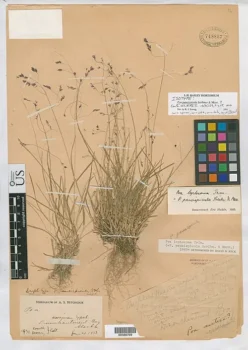
Alaska Bluegrass: A Hardy Native Grass for Northern Gardens
If you’re looking for a tough, native grass that can handle the challenges of northern climates, Alaska bluegrass (Poa paucispicula) might just be your new best friend. This unassuming perennial grass packs a punch when it comes to cold tolerance and ecological value, making it a smart choice for gardeners who want to support local ecosystems while creating beautiful, low-maintenance landscapes.
What Is Alaska Bluegrass?
Alaska bluegrass is a native perennial grass that belongs to the Poa genus, which includes many of our familiar bluegrass species. This particular species goes by the botanical name Poa paucispicula, though you might also encounter it under some older names like Poa leptocoma var. paucispicula or Poa merrilliana in older gardening references.
True to its common name, this grass is wonderfully adapted to northern conditions and can be found growing wild from Alaska down through parts of the northwestern United States and across much of Canada.
Where Does Alaska Bluegrass Naturally Grow?
Alaska bluegrass has an impressive native range that spans some of the continent’s most challenging climates. You’ll find this hardy grass growing naturally in Alaska, Alberta, British Columbia, Yukon, Northwest Territories, Montana, and Washington. It’s truly a plant that knows how to handle whatever Mother Nature throws at it!
- Species observed
- No observations
Why Choose Alaska Bluegrass for Your Garden?
There are several compelling reasons to consider Alaska bluegrass for your landscape:
- Native plant benefits: As a native species, it supports local wildlife and fits naturally into regional ecosystems
- Extreme cold tolerance: This grass thrives in conditions that would make other grasses throw in the towel
- Low maintenance: Once established, native grasses typically require less water and care than non-native alternatives
- Wildlife value: Provides food and habitat for birds and other wildlife
- Erosion control: The root system helps stabilize soil on slopes and banks
What Does Alaska Bluegrass Look Like?
Alaska bluegrass is a relatively modest-looking grass that typically grows 6 to 24 inches tall, forming loose tufts or small clumps rather than a dense carpet. It has the narrow, linear leaves characteristic of bluegrass species, creating a fine-textured appearance in the landscape. In summer, it produces delicate seed heads that add subtle movement and interest to garden beds.
Where to Use Alaska Bluegrass in Your Landscape
This versatile native grass works well in several landscape situations:
- Rain gardens and bioswales: Its preference for moist conditions makes it perfect for areas that collect water
- Native plant gardens: Combines beautifully with other northern native plants
- Slope stabilization: Helps prevent erosion on banks and hillsides
- Wildlife gardens: Provides food and shelter for birds and small mammals
- Low-maintenance areas: Great for spots where you want something attractive but don’t want to fuss with high-maintenance plants
Growing Conditions and Care
Alaska bluegrass is refreshingly easy to please when it comes to growing conditions. Here’s what it prefers:
- Moisture: Likes moist to wet soils, making it perfect for areas that stay consistently damp
- Sunlight: Grows well in full sun to partial shade
- Soil: Adaptable to various soil types but prefers well-draining soils that don’t dry out completely
- Climate: Extremely cold hardy, perfect for northern gardens
Planting and Establishment Tips
Getting Alaska bluegrass established in your garden is straightforward:
- Plant in spring or early fall when temperatures are cooler
- Keep the planting area consistently moist during establishment
- Space plants 12-18 inches apart if using transplants
- If seeding, lightly rake the soil surface and keep moist until germination
- Be patient – native grasses can take a full season or two to become fully established
The Bottom Line
Alaska bluegrass might not be the flashiest plant in your garden, but it’s definitely one of the most reliable and ecologically valuable. If you’re gardening in the northern regions where this grass is native, it’s an excellent choice for creating sustainable, wildlife-friendly landscapes that require minimal intervention once established. Plus, there’s something deeply satisfying about growing a plant that’s perfectly suited to your local environment – it just feels right!