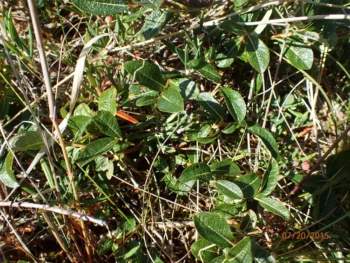
Alaska Bog Willow: A Hardy Native Shrub for Wetland Gardens
If you’re looking for a tough, low-maintenance native shrub that thrives in challenging wet conditions, the Alaska bog willow might just be your new best friend. This unassuming perennial shrub has quietly mastered the art of surviving in some of North America’s harshest climates, making it a reliable choice for gardeners dealing with soggy soils and frigid winters.
What Is Alaska Bog Willow?
Alaska bog willow (Salix fuscescens) is a native North American shrub that typically grows to about 20 feet tall, though it can occasionally reach up to 30 feet under ideal conditions. Don’t let the name fool you – while it’s called Alaska bog willow, this hardy plant actually spreads across much of northern Canada too. As a member of the willow family, it shares the characteristic resilience and adaptability that makes willows such valuable landscape plants.
This multi-stemmed woody perennial has a somewhat irregular growth pattern, creating a naturalized appearance that fits beautifully into informal landscape designs. The foliage is green with a medium texture, and while it produces purple flowers, they’re not particularly showy – this plant’s charm lies more in its reliability than its flashy appearance.
Where Does Alaska Bog Willow Grow Naturally?
Alaska bog willow is native to the northern reaches of North America, naturally occurring in Alaska, Manitoba, Yukon, Northwest Territories, and Nunavut. This extensive range across some of the continent’s coldest regions tells you everything you need to know about this plant’s cold tolerance – it’s practically bulletproof when it comes to winter weather.
- Species observed
- No observations
Why Choose Alaska Bog Willow for Your Garden?
This native shrub offers several compelling advantages for the right gardening situation:
- Wetland specialist: Classified as a facultative wetland plant, it thrives in consistently moist to wet soils where many other shrubs would struggle
- Extremely cold hardy: Perfect for northern gardeners dealing with harsh winters
- Low maintenance: Once established, it requires minimal care and has low fertility requirements
- Native wildlife support: As a native species, it provides habitat and food sources for local wildlife
- Rapid propagation: Seeds spread quickly, making it useful for naturalizing large areas
Ideal Growing Conditions
Alaska bog willow has some specific preferences that make it perfect for certain situations but challenging for others:
- Soil: Prefers coarse to medium-textured soils; avoid fine, clay-heavy soils
- Moisture: Needs consistently moist to wet conditions – drought tolerance is essentially non-existent
- Temperature: Requires at least 120 frost-free days and can handle temperatures down to 40°F
- pH: Moderate tolerance for alkaline conditions
- Fertility: Actually prefers low-fertility soils – no need for heavy feeding
Perfect Garden Applications
Alaska bog willow shines in specific landscape scenarios:
- Bog and wetland gardens: Its natural habitat makes it perfect for rain gardens and wet areas
- Naturalized landscapes: The irregular growth habit fits beautifully in wild or informal settings
- Restoration projects: Excellent for restoring wetland areas or preventing erosion near water features
- Cold climate gardens: Ideal for northern gardeners looking for reliable native plants
USDA Hardiness Zones
Based on its native range, Alaska bog willow is suitable for USDA hardiness zones 1-4, making it one of the most cold-tolerant shrubs available. If you’re gardening in zone 5 or warmer, this plant probably isn’t the right choice for your climate.
Planting and Care Tips
Getting Alaska bog willow established is straightforward if you can meet its basic needs:
- Propagation: Can be grown from seed or cuttings – seeds are abundant and spread rapidly
- Planting density: Space plants 320-1280 per acre depending on your goals
- Soil preparation: Ensure consistently moist to wet conditions; amend heavy clay soils to improve drainage slightly
- Maintenance: Minimal care required once established – this plant is built for self-sufficiency
- Root depth: Needs at least 12 inches of soil depth for proper root development
Potential Drawbacks to Consider
While Alaska bog willow has many strengths, it’s not suitable for every garden:
- Limited geographic range: Only suitable for very cold climates (zones 1-4)
- Moisture dependent: Will not survive in dry or drought-prone locations
- Not particularly ornamental: Flowers and overall appearance are fairly understated
- Specific soil needs: Won’t tolerate fine-textured or heavy clay soils
- Short lifespan: Individual plants have relatively short lifespans, though they propagate readily
The Bottom Line
Alaska bog willow is a specialist plant for specialist situations. If you’re gardening in a cold northern climate with wet or boggy conditions, this native shrub could be exactly what you need. It’s tough, reliable, and provides genuine ecological benefits for native wildlife. However, if you’re dealing with dry soils, warm climates, or want a showstopping ornamental plant, you’ll want to look elsewhere.
For the right gardener in the right location, Alaska bog willow offers the satisfaction of growing a truly native plant that’s perfectly adapted to challenging conditions. Sometimes the most valuable plants are the ones that thrive where others fear to grow.