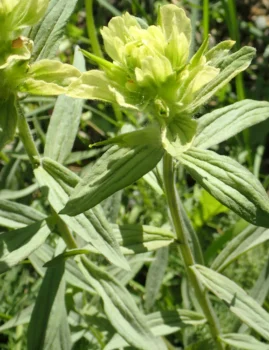
Alaska Indian Paintbrush: A Stunning Arctic Native for Cold Climate Gardens
If you’re gardening in the far north and dreaming of bold splashes of color that can handle your toughest winters, meet the Alaska Indian paintbrush (Castilleja unalaschcensis). This remarkable perennial brings the fiery hues of the Arctic tundra right to your garden, proving that some of the most beautiful plants come from the world’s most challenging environments.
What Makes Alaska Indian Paintbrush Special
Alaska Indian paintbrush is a true northerner, native to Alaska, British Columbia, and Yukon. This hardy perennial belongs to the paintbrush family and grows as a forb – essentially a non-woody flowering plant that dies back each winter and returns with vigor each spring. What makes this plant truly special is its incredible cold tolerance and stunning visual impact.
The plant’s most striking feature is its brilliant red-orange to scarlet bracts (modified leaves) that create the paintbrush appearance. These colorful bracts surround the actual small tubular flowers, creating a display that’s visible from quite a distance across the landscape.
Where It Grows Naturally
This tough little beauty calls some of North America’s most extreme environments home, thriving across Alaska, British Columbia, and Yukon. In these regions, it has adapted to short growing seasons, intense cold, and challenging soil conditions.
- Species observed
- No observations
Why Consider Alaska Indian Paintbrush for Your Garden
There are several compelling reasons to consider this native plant:
- Extreme cold hardiness: Perfect for USDA zones 1-4, where plant options can be limited
- Stunning color impact: Those brilliant red-orange bracts create unforgettable summer displays
- Pollinator magnet: Hummingbirds and other pollinators are drawn to its tubular flowers
- Native plant benefits: Supports local ecosystems and requires minimal inputs once established
- Unique garden interest: Adds authentic Arctic character to landscapes
Perfect Garden Settings
Alaska Indian paintbrush shines in several garden styles:
- Native plant gardens: Essential for authentic northern native landscapes
- Rock gardens: Thrives in well-draining, somewhat challenging conditions
- Alpine gardens: Perfect companion for other high-altitude natives
- Wildflower meadows: Adds dramatic color punctuation to naturalistic plantings
- Wildlife gardens: Attracts and supports native pollinators
Growing Conditions and Care
The good news for cold-climate gardeners is that Alaska Indian paintbrush is refreshingly low-maintenance once you understand its needs:
Sunlight: Prefers full sun to partial shade. In its native habitat, it often receives intense but brief summer sunlight.
Soil: Thrives in well-draining soils and actually tolerates poor, rocky conditions better than rich garden soil. Avoid heavy, waterlogged areas.
Water: Generally drought-tolerant once established. Its facultative wetland status means it can handle both wet and dry conditions, though it prefers good drainage.
Hardiness: Extremely cold-hardy, suitable for zones 1-4. This plant laughs at temperatures that would kill most garden favorites.
Planting and Care Tips
Growing Alaska Indian paintbrush successfully requires understanding its unique nature:
- Start with quality plants: This species can be challenging to grow from seed, so purchasing plants from reputable native plant nurseries is often your best bet
- Plant in spring: Give it a full growing season to establish before winter
- Avoid fertilizing: Rich soils can actually harm this plant – it’s adapted to lean conditions
- Be patient: Like many native perennials, it may take a season or two to really hit its stride
- Understand its nature: This plant may be semi-parasitic, meaning it can form connections with nearby plants’ roots – this is normal and natural
Wildlife and Pollinator Benefits
Alaska Indian paintbrush is a valuable addition to any wildlife-friendly garden. Its tubular flowers are particularly attractive to hummingbirds, which are drawn to the bright red coloration. Various native bees and other pollinators also visit the flowers, making this plant an excellent choice for supporting local pollinator populations in northern regions where options may be more limited.
Is Alaska Indian Paintbrush Right for Your Garden?
This plant is ideal if you:
- Garden in zones 1-4 and want reliable, stunning color
- Appreciate native plants and supporting local ecosystems
- Enjoy unique, conversation-starting garden plants
- Want to attract hummingbirds and other pollinators
- Prefer low-maintenance plants once established
However, Alaska Indian paintbrush might not be the best choice if you garden in warmer zones, prefer formal garden styles, or want plants that perform immediately without an establishment period.
The Bottom Line
Alaska Indian paintbrush offers cold-climate gardeners something truly special – a native plant that combines stunning visual impact with incredible hardiness and ecological value. While it may require patience and the right conditions, the reward is a unique piece of the Arctic’s natural beauty right in your own landscape. For northern gardeners looking to celebrate their region’s native flora while creating habitat for local wildlife, this remarkable paintbrush deserves serious consideration.