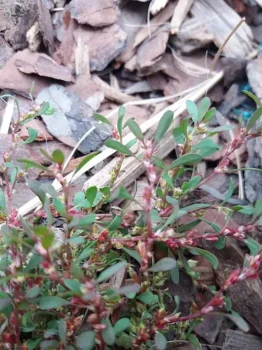
Alaska Knotweed: A Rare Arctic Native That’s Probably Not Right for Your Garden
If you’ve stumbled across Alaska knotweed (Polygonum caurianum) in your search for native plants, you’re looking at one of the more elusive members of the knotweed family. This perennial forb might sound intriguing, but before you start planning where to plant it, let’s dive into what makes this northern native so special—and so challenging for most gardeners.
What is Alaska Knotweed?
Alaska knotweed is a perennial herbaceous plant that belongs to the same family as buckwheat and rhubarb. As a forb, it lacks woody stems and dies back to the ground each winter, regenerating from its root system when conditions are right. You might also see it listed under its synonyms Polygonum humifusum, though the scientific naming of this group can be a bit of a puzzle even for botanists.
Where Does It Grow Naturally?
This is where things get interesting—and a bit limiting for most gardeners. Alaska knotweed is native to some of the most remote and challenging growing regions in North America:
- Alaska
- Yukon Territory
- Northwest Territories
- Nunavut
Notice anything about this list? We’re talking about the far northern reaches of the continent, where summers are brief and winters are long and brutal.
- Species observed
- No observations
The Reality Check: Why This Isn’t Your Average Garden Plant
Here’s where we need to have an honest conversation. Alaska knotweed comes with several significant challenges that make it unsuitable for most gardeners:
Rarity Concerns: This plant has a Global Conservation Status of S3?, which indicates it may be vulnerable or rare. Even if you could find seeds or plants (which is highly unlikely), harvesting from wild populations could harm already limited numbers.
Extreme Climate Requirements: This plant evolved in arctic and subarctic conditions. Unless you’re gardening in northern Canada or Alaska, your climate is probably too warm and your growing season too long for this cold-adapted species.
Limited Availability: You won’t find Alaska knotweed at your local nursery, and there’s virtually no information available about successfully cultivating it in garden settings.
Growing Conditions (If You’re Determined to Try)
While specific cultivation information for Alaska knotweed is extremely limited, we can make some educated guesses based on its native habitat:
- Hardiness: Likely extremely cold-hardy (probably zones 1-3)
- Growing season: Adapted to very short summers
- Soil: Probably tolerant of poor, well-draining soils
- Moisture: Unknown wetland status, but likely adaptable to various moisture levels
Better Alternatives for Your Native Garden
Instead of chasing this elusive arctic native, consider these more accessible alternatives that can provide similar benefits:
- Wild ginger (Asarum canadense): A reliable native groundcover for shaded areas
- Wild strawberry (Fragaria virginiana): Attractive native with edible berries
- Pennsylvania smartweed (Polygonum pensylvanicum): A related species that’s easier to grow and supports wildlife
- Native sedges: Excellent for various garden conditions and support many pollinators
The Bottom Line
Alaska knotweed is undoubtedly a fascinating piece of North America’s botanical heritage, perfectly adapted to some of the continent’s most challenging environments. However, it’s not a practical choice for most gardeners. Its rarity, extreme climate requirements, and lack of availability make it more of a botanical curiosity than a garden plant.
If you’re passionate about supporting northern ecosystems, consider donating to conservation organizations working to protect arctic habitats instead. For your garden, focus on native plants that are locally appropriate, readily available, and won’t put rare species at risk.
Sometimes the best way to appreciate a plant is to leave it thriving in its natural home while choosing garden-friendly natives that can bring similar ecological benefits to your own backyard.