Alaska Springbeauty: A Charming Native Ground Cover for Northern Gardens
If you’re looking for a delightful early spring bloomer that’s perfectly suited to cooler climates, let me introduce you to Alaska springbeauty (Claytonia sarmentosa). This charming little perennial is like nature’s way of saying spring is here! even when there’s still a chill in the air.
What Makes Alaska Springbeauty Special?
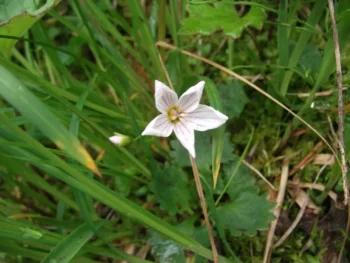
Alaska springbeauty is a native perennial forb that brings a touch of elegance to any garden with its small, delicate flowers. These lovely blooms typically appear in white to soft pink shades, each sporting five petals that seem to glow against the plant’s succulent-like foliage. The leaves are oval to spatulate in shape, giving the plant an interesting texture even when it’s not in bloom.
Also known by its botanical name Claytonia sarmentosa (and sometimes listed under the synonym Montia sarmentosa), this plant is a true northerner at heart.
Where Does It Call Home?
This resilient little plant is native to the far reaches of North America, thriving naturally in Alaska, British Columbia, and Yukon. It’s perfectly adapted to the challenging conditions of these northern regions, making it an excellent choice for gardeners in similar climates.
- Species observed
- No observations
Why You’ll Want Alaska Springbeauty in Your Garden
There are several compelling reasons to consider adding this native beauty to your landscape:
- Early spring color: When most plants are still sleeping, Alaska springbeauty is already putting on a show
- Native plant benefits: It supports local ecosystems and requires less maintenance than non-native alternatives
- Pollinator friendly: Early blooms provide crucial nectar for emerging pollinators like small bees and flies
- Versatile growing conditions: Can handle both wetland and non-wetland conditions
- Low maintenance: Once established, it’s quite self-sufficient
Perfect Garden Settings
Alaska springbeauty shines in several garden styles:
- Woodland gardens: Perfect as a ground cover under trees and shrubs
- Shade gardens: Brightens up those dimmer corners of your yard
- Native plant gardens: A must-have for authentic northern landscapes
- Rock gardens: Adds softness between harder landscape elements
Growing Conditions and Care
The beauty of Alaska springbeauty lies partly in its adaptability. Here’s what it needs to thrive:
Hardiness: This tough cookie can handle USDA zones 2-6, making it perfect for northern gardeners who struggle to find suitable perennials.
Light requirements: Prefers partial to full shade, though it can tolerate some morning sun in cooler climates.
Soil preferences: Loves moist, well-draining soil enriched with organic matter. Think of the forest floor – that’s the sweet spot!
Water needs: Consistent moisture is key, but avoid waterlogged conditions. Its facultative wetland status means it’s quite forgiving with varying moisture levels.
Planting and Care Tips
Getting Alaska springbeauty established in your garden is relatively straightforward:
- Timing: Plant in early spring or fall when temperatures are cool
- Soil preparation: Amend your soil with compost or leaf mold to improve moisture retention and provide nutrients
- Spacing: Give plants adequate room to spread as ground cover
- Mulching: A light layer of organic mulch helps retain moisture and suppress weeds
- Maintenance: Very low maintenance once established – just ensure consistent moisture during dry spells
A Word About Seasonality
Don’t be alarmed if your Alaska springbeauty seems to disappear during the hottest part of summer. Like many spring ephemerals, it may go dormant when conditions become too warm and dry, only to return with renewed vigor the following spring.
The Bottom Line
Alaska springbeauty is an excellent choice for northern gardeners who want to incorporate native plants that actually thrive in their challenging climate. It offers early spring interest, supports local pollinators, and requires minimal care once established. While it may not be the showiest plant in your garden, its quiet charm and ecological benefits make it a valuable addition to any naturalistic landscape design.
If you’re gardening in zones 2-6 and have a shady spot that could use some early spring magic, Alaska springbeauty might just be the perfect plant you didn’t know you needed!