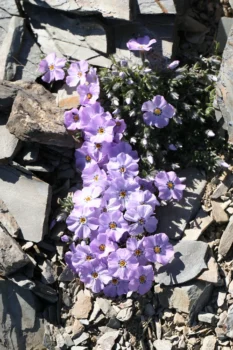
Alaskan Phlox: A Hardy Arctic Beauty for Specialized Gardens
If you’re looking for a tough-as-nails perennial that can handle the harshest northern climates, meet Alaskan phlox (Phlox richardsonii alaskensis). This remarkable little wildflower is nature’s answer to What can actually grow in Alaska? and the answer is pretty impressive.
What Makes Alaskan Phlox Special
Alaskan phlox is a true northern native, calling Alaska, Yukon, and the Northwest Territories home. As a perennial forb, it’s an herbaceous plant that dies back each winter but returns faithfully each spring – assuming spring eventually comes in those northern latitudes! Unlike its woody cousins, this phlox stores its energy underground and sends up fresh growth when conditions are right.
Where You’ll Find It Growing Wild
This hardy little survivor thrives across the vast expanses of Alaska and extends into Canada’s Yukon Territory and Northwest Territories. It’s perfectly adapted to life in the far north, where growing seasons are short but daylight during summer seems to last forever.
- Species observed
- No observations
Is Alaskan Phlox Right for Your Garden?
Here’s where things get interesting – and maybe a little challenging. Alaskan phlox isn’t your typical garden center find, and there’s a good reason for that. This plant has evolved for some pretty specific conditions that most of us simply can’t replicate in our backyards.
You might want to consider Alaskan phlox if:
- You live in USDA hardiness zones 1-3 (yes, those really cold ones)
- You’re creating a specialized Arctic or alpine garden
- You want to support native plant conservation efforts
- You love the challenge of growing unusual, hard-to-find plants
You might want to skip it if:
- You live in warmer climates (zones 4 and above)
- You’re looking for a low-maintenance garden staple
- You want something readily available at local nurseries
Growing Conditions: Embracing the Arctic Challenge
Alaskan phlox is the botanical equivalent of a polar bear – it’s built for cold and doesn’t do well when things heat up. This plant needs:
- Extremely cold winters (we’re talking serious sub-zero temperatures)
- Cool, short growing seasons
- Well-draining soil (Arctic plants hate waterlogged roots)
- Full sun to partial shade
- Protection from hot, humid conditions
The Reality Check: Why This Isn’t Your Average Garden Plant
Let’s be honest – unless you’re gardening in Fairbanks or Whitehorse, Alaskan phlox probably isn’t going to work in your landscape. This plant has spent thousands of years adapting to conditions that would make most garden plants throw in the trowel and give up.
If you’re determined to grow native phlox but live in more temperate zones, consider looking into other native phlox species better suited to your region. There are plenty of beautiful native phlox varieties that can give you similar aesthetic appeal without requiring a move to the Arctic Circle.
For the Truly Adventurous: Care Tips
If you’re one of the lucky few who actually live where this plant naturally thrives, here are some tips:
- Source plants responsibly from reputable native plant suppliers
- Plant in spring after the last frost (which might be July in some places!)
- Ensure excellent drainage – Arctic soils are often sandy or gravelly
- Don’t over-fertilize; these plants are used to lean conditions
- Be patient – northern plants often have slower growth rates
The Bottom Line
Alaskan phlox is a fascinating example of plant adaptation and resilience, but it’s definitely not for every garden or every gardener. If you live in its native range, supporting this tough little native can be a rewarding way to connect with your local ecosystem. For everyone else, admire it from afar and choose native plants better suited to your climate zone – your garden (and the plants) will thank you for it!
Remember, the best native garden is one that works with your local conditions, not against them. Sometimes the most sustainable choice is loving a plant enough to leave it in its natural habitat.