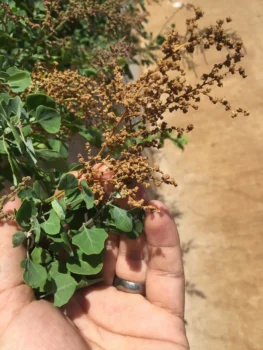
Alaweo: A Rare Hawaiian Treasure for Your Native Garden
If you’re passionate about native Hawaiian plants and conservation gardening, you’ve probably heard whispers about alaweo (Chenopodium oahuense). This understated Hawaiian endemic might not win any beauty contests, but it’s got something far more valuable: a story of resilience and a critical need for our help.
What Makes Alaweo Special?
Alaweo, also known by its other common name aheahea, is a perennial shrub that’s as Hawaiian as it gets. This modest plant is found nowhere else on Earth except the Hawaiian Islands, making it a true island treasure. But here’s the thing that should make every native plant enthusiast sit up and pay attention: alaweo is vulnerable to extinction.
With a Global Conservation Status of S3, this species is considered vulnerable throughout its range. We’re talking about only 21 to 100 known occurrences, with somewhere between 3,000 and 10,000 individual plants remaining in the wild. That’s not a lot when you think about it!
Where Does Alaweo Call Home?
This Hawaiian endemic has made its home exclusively in Hawaii, where it naturally grows in coastal areas and on dry slopes. It’s perfectly adapted to the unique conditions of the islands, thriving in the kind of challenging environments that would make other plants throw in the towel.
- Species observed
- No observations
The Look and Feel of Alaweo
Don’t expect flashy flowers or dramatic foliage with alaweo. This is a plant that embodies the less is more philosophy. As a shrub, it typically grows as a multi-stemmed woody plant, usually staying under 13-16 feet tall. Its succulent-like leaves give it an understated charm that’s perfect for gardeners who appreciate subtle beauty over showy displays.
Should You Grow Alaweo?
Here’s where things get interesting. Yes, you absolutely should consider growing alaweo, but with a huge caveat: only if you can source it responsibly. Given its vulnerable status, we can’t go around collecting plants from the wild or supporting anyone who does. If you’re going to grow this rare beauty, make sure you’re getting it from:
- Certified native plant nurseries
- Conservation programs
- Seed from legally collected and properly permitted sources
- Established garden trades with documented provenance
Perfect Garden Situations for Alaweo
Alaweo shines in specific garden settings where its natural preferences can be met:
- Native Hawaiian gardens: The obvious choice for showcasing indigenous flora
- Coastal landscapes: It’s naturally adapted to salt air and coastal conditions
- Xeriscaping projects: Once established, it’s quite drought tolerant
- Rock gardens: Thrives in well-draining, rocky conditions
- Conservation/restoration gardens: Perfect for educational landscapes
- Slope stabilization: Helpful for erosion control on dry hillsides
Growing Conditions and Care
If you’re lucky enough to get your hands on some responsibly sourced alaweo, here’s what it needs to thrive:
Climate: This is strictly a tropical plant, suitable only for USDA hardiness zones 10-12. If you’re anywhere that gets frost, this isn’t the plant for you.
Light: Full sun to partial shade works well, though it seems to prefer bright conditions.
Soil: The golden rule here is drainage, drainage, drainage! Alaweo cannot tolerate wet feet. Think rocky, sandy, or gravelly soils that drain quickly after rain.
Water: Once established, this plant is remarkably drought tolerant. In fact, overwatering is probably the quickest way to kill it. Water deeply but infrequently, and always let the soil dry out between waterings.
Planting and Care Tips
- Plant in spring or early summer for best establishment
- Amend heavy soils with coarse sand, gravel, or pumice to improve drainage
- Protect young plants from strong winds until established
- Avoid fertilizers – these plants are adapted to nutrient-poor soils
- Mulch lightly with gravel rather than organic mulch to prevent moisture retention
- Prune minimally – let it grow in its natural form
The Conservation Connection
Growing alaweo isn’t just about adding another plant to your garden – it’s about participating in conservation. Every responsibly grown alaweo plant represents hope for the species’ future. You’re not just a gardener; you’re a conservation partner helping to ensure that future generations will know this unique Hawaiian plant.
While we don’t know much about its specific wildlife benefits, native Hawaiian plants typically support the islands’ unique ecosystems in ways we’re still discovering. By choosing alaweo, you’re supporting biodiversity and helping maintain the ecological connections that make Hawaii special.
So, should you grow alaweo? If you can source it responsibly and provide the right growing conditions, absolutely! Just remember that with great plants comes great responsibility – and this rare Hawaiian gem definitely qualifies as a great plant worth protecting.