Alberta Saxifrage: A Tough Little Native for Rocky Places
If you’re looking for a hardy, low-maintenance native plant that thrives where other flowers fear to tread, let me introduce you to Alberta saxifrage (Saxifraga occidentalis). This plucky little perennial might not win any beauty contests, but it’s got character in spades and a work ethic that puts most garden prima donnas to shame.
What is Alberta Saxifrage?
Alberta saxifrage is a native North American perennial forb – essentially a non-woody plant that comes back year after year. Don’t let the technical term forb intimidate you; think of it as nature’s way of describing a tough little flowering plant that doesn’t need a woody stem to make its mark on the world.
This plant goes by several scientific aliases (botanists love their synonyms), including Micranthes occidentalis and Saxifraga reflexa subspecies occidentalis. But whatever you call it, Alberta saxifrage is the same reliable performer.
Where Does Alberta Saxifrage Call Home?
This is one well-traveled native! Alberta saxifrage naturally occurs across a impressive range of North American territory, including Alaska, Canada, and much of the western United States. You’ll find it growing wild in Alberta, British Columbia, Saskatchewan, Alaska, Colorado, Idaho, Montana, Nevada, New Mexico, Oregon, South Dakota, Washington, and Wyoming.
- Species observed
- No observations
Why Grow Alberta Saxifrage?
Here’s where Alberta saxifrage really shines – it’s practically bulletproof once established. This native beauty offers several compelling reasons to earn a spot in your garden:
- Extreme hardiness: Thriving in USDA zones 3-8, this plant laughs at harsh winters
- Drought tolerance: Once established, it needs minimal water
- Native wildlife support: Small pollinators like flies and bees appreciate its modest flowers
- Low maintenance: Perfect for gardeners who want beauty without the fuss
- Unique character: Adds authentic wild charm to cultivated spaces
What Does It Look Like?
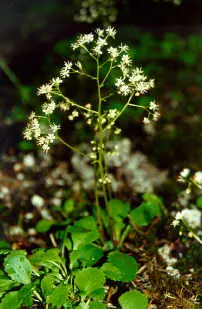
Alberta saxifrage won’t overwhelm you with flashy blooms, but it has a quiet, understated appeal. The plant forms neat basal rosettes of leaves and produces clusters of small white flowers that dance above the foliage on slender stems. It’s the kind of plant that rewards close observation – the more you look, the more you appreciate its subtle beauty.
Perfect Garden Companions
This adaptable native works beautifully in several garden styles:
- Rock gardens: Its natural habitat makes it perfect for tucking between stones
- Alpine gardens: Authentically wild appearance fits mountain-themed landscapes
- Native plant gardens: Supports local ecosystems while requiring minimal inputs
- Xeriscapes: Drought tolerance makes it ideal for water-wise landscaping
Growing Conditions and Care
The beauty of Alberta saxifrage lies in its simplicity. This plant thrives in conditions that would stress many garden favorites:
- Soil: Well-drained is essential – it tolerates poor soils but hates wet feet
- Light: Full sun to partial shade
- Water: Minimal once established; drought-tolerant but appreciates occasional deep watering
- Maintenance: Virtually none required after the first year
Planting Tips for Success
Getting Alberta saxifrage established is straightforward if you remember its mountain origins:
- Ensure excellent drainage – this is non-negotiable
- Plant in spring or early fall
- Water regularly the first year to help roots establish
- Once established, step back and let it do its thing
- Avoid fertilizing – it’s adapted to lean soils
A Note About Wetlands
Interestingly, Alberta saxifrage has different moisture preferences depending on where it grows. In Alaska, it’s almost never found in wetlands, but in other regions like the Arid West, Great Plains, and Western Mountains, it can handle both wet and dry conditions. This adaptability makes it even more valuable for diverse garden situations.
The Bottom Line
Alberta saxifrage might not be the showiest native plant you can grow, but it’s definitely one of the most reliable. If you’re building a low-maintenance native garden, creating a rock garden, or simply want a plant that embodies the resilient spirit of western North America, this little saxifrage deserves serious consideration. It’s living proof that sometimes the best garden plants are the ones that know how to take care of themselves.