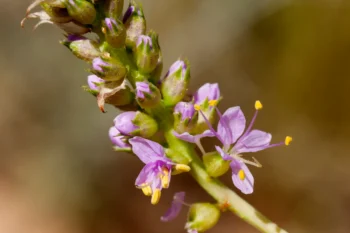
Albuquerque Prairie Clover: A Hidden Gem for Water-Wise Gardens
Meet Albuquerque prairie clover (Dalea scariosa), a delightful native perennial that’s perfectly suited for gardeners looking to create beautiful, drought-tolerant landscapes. This charming forb might not be the showiest plant in the garden, but it certainly earns its keep with reliable blooms, minimal water needs, and serious pollinator appeal.
What Makes Albuquerque Prairie Clover Special?
This native New Mexican beauty is a true survivor, perfectly adapted to the challenging conditions of the American Southwest. As a perennial forb, it lacks woody stems but returns year after year with its distinctive silvery-green foliage and clusters of small, pea-like flowers that range from purple to pink.
You might also encounter this plant listed under its former scientific names, including Petalostemon scariosus or Petalostemon prostratus, but don’t let the name changes fool you – it’s the same wonderful plant.
Where Does It Call Home?
Albuquerque prairie clover is endemic to New Mexico, making it a true regional specialty. This native status means it’s perfectly adapted to local climate conditions and provides authentic habitat for local wildlife.
- Species observed
- No observations
Garden Appeal and Design Uses
While not the most dramatic plant in your garden palette, Albuquerque prairie clover offers subtle beauty that shines in the right setting. The delicate flower spikes create lovely texture when planted in masses, and the silvery foliage provides an excellent backdrop for showier desert bloomers.
This plant works wonderfully in:
- Xeric and drought-tolerant gardens
- Native plant landscapes
- Rock gardens and naturalistic plantings
- Low-maintenance groundcover applications
Pollinator Paradise
Here’s where this humble plant really shines! Albuquerque prairie clover is a pollinator magnet, attracting native bees and butterflies with its nectar-rich flowers. By planting this species, you’re not just adding beauty to your garden – you’re providing crucial habitat for local pollinators.
Growing Conditions and Care
The best news about Albuquerque prairie clover? It’s incredibly easy to grow once you understand its preferences. This plant thrives in USDA hardiness zones 4-8, making it surprisingly adaptable to temperature variations.
Ideal growing conditions include:
- Full sun exposure
- Well-draining soil (it absolutely hates wet feet)
- Minimal supplemental watering once established
- No fertilizer needed – it actually prefers lean soils
Planting and Care Tips
Spring is the ideal time to plant Albuquerque prairie clover. Give your new plants a good start with regular watering during their first growing season, but once established, they’ll thrive on natural rainfall and minimal intervention.
The beauty of this plant lies in its low-maintenance nature. Skip the fertilizer – these plants have evolved in nutrient-poor soils and too much feeding can actually reduce flowering. Simply provide good drainage and step back to watch them flourish.
Should You Plant It?
If you’re gardening in New Mexico or similar arid climates and want to support local ecosystems while creating a beautiful, low-maintenance landscape, Albuquerque prairie clover deserves serious consideration. It’s particularly valuable for gardeners committed to native plant gardening and water conservation.
While it may not provide the instant drama of some garden plants, its quiet beauty, pollinator benefits, and incredible drought tolerance make it a smart choice for sustainable southwestern gardens. Plus, there’s something deeply satisfying about growing a plant that truly belongs in your local landscape!