Alcove Bog Orchid: A Rare Southwestern Treasure Worth Protecting
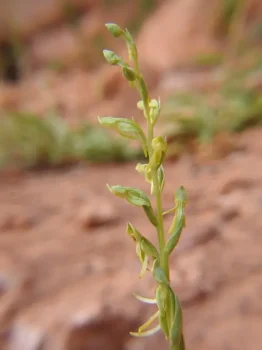
Meet the alcove bog orchid (Platanthera zothecina), one of North America’s most elusive and enchanting native orchids. This delicate perennial might not be on every gardener’s wish list, but for those passionate about rare native plants and conservation, it represents something truly special—a botanical gem that’s hanging on by a thread in the wild.
What Makes This Orchid So Special?
The alcove bog orchid is a native forb that calls the American Southwest home, specifically Arizona, Colorado, and Utah. As its common name suggests, this isn’t your typical garden-variety orchid. It’s adapted to life in some pretty specific and challenging environments—think mountain bogs, wet meadows, and seepy areas where most plants would throw in the trowel.
What sets this orchid apart isn’t just its beauty, but its rarity. With a Global Conservation Status of S2 (Imperiled), there are typically only 6 to 20 known occurrences of this species in the wild. That makes spotting one in nature about as likely as finding a four-leaf clover in a field of dandelions!
- Species observed
- No observations
The Look: Delicate Beauty on Display
When the alcove bog orchid does bloom, usually in summer, it puts on quite a show. Picture delicate white flowers arranged along tall, elegant spikes that seem to glow in the filtered light of their boggy homes. The flowers are perfectly designed to attract their preferred pollinators—primarily moths and other nighttime visitors who are drawn to the sweet fragrance and pale coloration.
Should You Grow It? The Conservation Reality Check
Here’s where we need to have an honest conversation. While the alcove bog orchid is undeniably gorgeous and ecologically important, it’s not a plant for the average home garden—and that’s probably for the best. Here’s why:
- Rarity concerns: With so few populations remaining in the wild, any cultivation should only be attempted with responsibly sourced, nursery-propagated plants—never wild-collected specimens
- Extreme growing requirements: This orchid needs very specific conditions that are nearly impossible to replicate in typical garden settings
- Mycorrhizal dependencies: Like many orchids, it relies on complex fungal partnerships that are difficult to establish in cultivation
If You’re Determined to Try: Growing Conditions
For the truly dedicated (and we mean really dedicated) native plant enthusiast, here’s what the alcove bog orchid demands:
- Moisture: Consistently wet to boggy conditions year-round
- Soil: Alkaline, mineral-rich soils with excellent drainage despite high moisture
- Light: Full sun to partial shade
- Climate: USDA hardiness zones 4-7, with cool summers and cold winters
- Elevation: Prefers higher elevations similar to its native mountain habitats
A Better Approach: Conservation Through Appreciation
Instead of trying to grow this rare beauty at home, consider supporting its conservation in other ways:
- Visit botanical gardens or nature preserves that may have conservation programs
- Support organizations working to protect wetland habitats in the Southwest
- Choose other native bog plants that are more readily available and easier to grow
- Spread awareness about the importance of protecting rare native species
The Bottom Line
The alcove bog orchid is one of those plants that reminds us that not every beautiful native species needs to find its way into our gardens to be appreciated and protected. Sometimes, the best thing we can do for a rare plant is to admire it from afar, support habitat conservation efforts, and choose more common natives for our own landscapes.
If you’re drawn to the idea of growing native orchids, consider starting with more readily available species that don’t carry the conservation concerns of Platanthera zothecina. Your local native plant society can point you toward orchid species that are both beautiful and more appropriate for cultivation.
Remember: the goal isn’t just to have every cool native in our gardens, but to ensure these botanical treasures survive and thrive in their natural homes for generations to come.