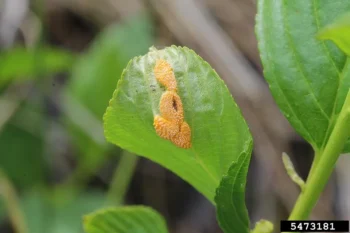
Alderleaf Buckthorn: A Wetland Wonder for Your Native Garden
If you’re looking for a tough, low-maintenance native shrub that thrives in those soggy spots where other plants fear to tread, let me introduce you to alderleaf buckthorn (Rhamnus alnifolia). This unassuming little shrub might not win any beauty contests, but it’s absolutely perfect for solving those challenging wet areas in your landscape while supporting local wildlife.
What Is Alderleaf Buckthorn?
Alderleaf buckthorn is a native North American perennial shrub that typically grows 2-3 feet tall at maturity. Don’t let the name buckthorn scare you – unlike its invasive cousins, this native species is a garden-friendly team player. It’s a multi-stemmed woody plant with a moderate growth rate and an upright, erect growth habit.
The shrub produces small, inconspicuous green flowers in late spring, followed by small berries in summer. While it won’t stop traffic with flashy blooms, its simple charm and ecological value more than make up for its modest appearance.
Where Does It Grow Naturally?
This hardy native has an impressively wide range across North America. You’ll find it growing naturally throughout Canada, from British Columbia to Newfoundland, and across much of the United States, including states from California to Maine and from Washington down to Tennessee. It’s truly a coast-to-coast native that has adapted to diverse regional conditions.
- Species observed
- No observations
The Wetland Specialist
Here’s where alderleaf buckthorn really shines – it’s a wetland specialist! Depending on your region, this plant has different wetland classifications:
- Obligate Wetland in the Midwest, Eastern Mountains, Northcentral & Northeast regions – almost always found in wetlands
- Facultative Wetland in the Great Plains and Western Mountains – usually in wetlands but can handle drier spots
- Facultative in the Atlantic and Gulf Coastal Plain – equally happy in wet or dry conditions
This means it’s your go-to plant for rain gardens, soggy areas near downspouts, or anywhere you have consistently moist soil that gives other plants fits.
Why Grow Alderleaf Buckthorn?
While it might seem like a humble choice, this native shrub offers several compelling benefits:
- Problem solver: Perfect for those challenging wet spots where other plants struggle
- Low maintenance: Once established, it pretty much takes care of itself
- Native credentials: Supports local ecosystems and wildlife
- Shade tolerant: Works well in woodland gardens and under tree canopies
- Cold hardy: Thrives in USDA zones 2-7, handling temperatures as low as -33°F
Perfect Garden Situations
Alderleaf buckthorn excels in several garden scenarios:
- Rain gardens: Its high moisture tolerance makes it ideal for capturing and filtering stormwater
- Naturalized landscapes: Perfect for creating authentic native plant communities
- Woodland gardens: Thrives in the dappled shade under larger trees
- Wetland restoration: Essential for recreating natural wetland habitats
- Erosion control: Helps stabilize soil in wet areas prone to washing away
Growing Conditions and Care
The beauty of alderleaf buckthorn lies in its adaptability and low-maintenance nature. Here’s what it needs to thrive:
Soil: Prefers fine to medium-textured soils but is quite adaptable. It can handle pH ranging from acidic (4.0) to slightly alkaline (8.0), and has high tolerance for calcium carbonate-rich soils.
Moisture: This is a high-moisture plant that can handle anaerobic (waterlogged) conditions exceptionally well. It has low drought tolerance, so consistent moisture is key.
Light: Shade tolerant, making it perfect for those tricky spots under trees where many plants struggle.
Temperature: Extremely cold hardy, requiring at least 100 frost-free days but handling harsh winter conditions with ease.
Planting and Propagation
Good news for gardeners – alderleaf buckthorn is routinely available from native plant suppliers. You can propagate it through:
- Seeds (about 65,500 seeds per pound!)
- Bare root plants
- Container plants
Keep in mind that seedlings start with low vigor, so be patient with young plants. The plant blooms in late spring and produces seeds through the summer, though seed dispersal is slow and the seeds don’t persist long once they fall.
Wildlife and Pollinator Benefits
While the flowers might be small and unassuming, they provide valuable nectar resources for various small pollinators, including native bees and flies. The summer berries also provide food for wildlife, making this shrub a valuable addition to any wildlife-friendly garden.
The Bottom Line
Alderleaf buckthorn might not be the showiest plant in your garden, but it’s definitely one of the most useful. If you have wet, challenging areas where other plants struggle, or if you’re creating a rain garden or natural landscape, this tough native deserves a spot on your plant list. It’s living proof that sometimes the most valuable plants are the quiet workhorses that get the job done without making a fuss.
Ready to embrace the wonderful world of wetland natives? Give alderleaf buckthorn a try – your soggy spots (and local wildlife) will thank you!