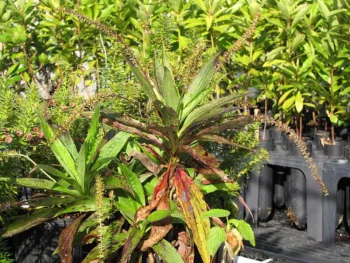
Ale (Plantago princeps): A Rare Hawaiian Treasure Worth Protecting
Meet ale, one of Hawaii’s most precious and endangered native plants. This humble little herb might not win any beauty contests, but it holds a special place in the heart of Hawaiian ecosystems and conservation efforts. If you’re passionate about preserving Hawaii’s unique flora, ale deserves a spot on your radar—though growing it comes with some important considerations.
What Makes Ale Special?
Ale (Plantago princeps) is a perennial forb herb that’s as rare as it is remarkable. This native Hawaiian plant belongs to the plantain family, but don’t expect the banana-like fruit—this is an entirely different kind of plant altogether! As a forb, ale lacks woody stems and keeps its growing points close to or below ground level, making it a low-growing addition to any landscape.
Where Does Ale Come From?
Ale is found exclusively in Hawaii, making it a true island endemic. This special plant has adapted to life in the Hawaiian archipelago over thousands of years, developing unique characteristics that help it thrive in specific island conditions. You won’t find ale growing wild anywhere else in the world—it’s Hawaii’s own botanical treasure.
- Species observed
- No observations
A Plant in Crisis: Understanding Ale’s Rarity
Important Conservation Alert: Before we dive into growing tips, there’s something crucial you need to know. Ale carries a Global Conservation Status of S1, which means it’s critically imperiled. In the United States, it’s classified as Endangered. This means there are typically only 5 or fewer occurrences of this plant in the wild, with very few remaining individuals (fewer than 1,000 total).
What does this mean for gardeners? If you’re considering growing ale, you absolutely must source it responsibly. Only obtain plants or seeds from reputable native plant nurseries or conservation programs that can verify their plants weren’t collected from wild populations.
Growing Ale: Challenges and Rewards
Growing ale isn’t for the faint of heart, but conservation-minded gardeners might find it rewarding. Here’s what you need to know:
Ideal Growing Conditions
Ale has a facultative wetland status in Hawaii, meaning it can grow in both wetland and non-wetland conditions. This flexibility makes it adaptable to various moisture levels, though specific growing requirements for this rare plant are specialized and challenging to replicate in typical garden settings.
Garden Design and Landscape Role
If you’re successful in obtaining and growing ale, it works best as:
- A ground cover in native Hawaiian plant gardens
- Part of conservation or restoration plantings
- An educational specimen in botanical collections
- A component in specialized native ecosystems
The Reality Check: Should You Grow Ale?
Here’s the honest truth about ale: this isn’t a plant for casual gardeners. Given its endangered status and specific growing requirements, ale is best left to:
- Conservation programs and botanical gardens
- Serious native plant enthusiasts with proper sourcing
- Restoration projects led by conservation organizations
- Educational institutions working on Hawaiian plant preservation
Supporting Ale Conservation
Even if you can’t grow ale in your garden, you can still support its conservation:
- Donate to Hawaiian native plant conservation organizations
- Participate in habitat restoration volunteer programs
- Choose other native Hawaiian plants for your garden
- Spread awareness about Hawaii’s endangered plant species
The Bottom Line
Ale represents both the incredible uniqueness and the fragility of Hawaii’s native plant life. While most gardeners won’t be growing this endangered species, understanding and appreciating plants like ale helps us become better stewards of our native ecosystems. If you’re passionate about Hawaiian native plants, consider supporting ale’s conservation while exploring other native alternatives that are more readily available and appropriate for home gardens.
Remember: every native plant we preserve today is a gift to future generations. Ale may be small and humble, but it’s an irreplaceable part of Hawaii’s natural heritage.