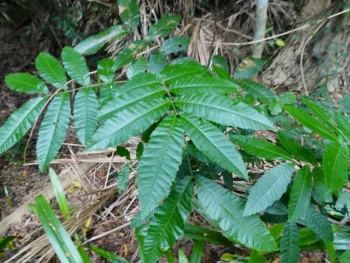
Growing Alectryon: Hawaii’s Beautiful Native Soapberry Trees
If you’re lucky enough to garden in Hawaii or other tropical zones, you’ve probably encountered the charming alectryon without even realizing it. These native Hawaiian trees are like the friendly neighbors of the plant world – not flashy or demanding attention, but absolutely delightful once you get to know them.
What Makes Alectryon Special?
Alectryon trees belong to Hawaii’s exclusive club of endemic plants, meaning they evolved right there in the islands and exist nowhere else naturally on Earth. As perennial woody trees, they typically grow as single-trunked specimens reaching heights greater than 13-16 feet, though environmental conditions can sometimes encourage a shorter, multi-stemmed growth pattern.
Where You’ll Find Them Growing
These trees are native to Hawaii and naturally grow throughout the Hawaiian Islands. Since they’re endemic to this specific region, you won’t find wild alectryon populations anywhere else in the world.
- Species observed
- No observations
Why Consider Planting Alectryon?
There are several compelling reasons to welcome an alectryon into your tropical garden:
- Native heritage: By planting alectryon, you’re supporting Hawaii’s unique botanical legacy and helping preserve endemic species
- Low-maintenance beauty: These trees adapt well to their native environment without requiring intensive care
- Ecological value: Native trees support local ecosystems better than non-native alternatives
- Unique character: You’ll have a tree that truly belongs to its place, with evolutionary ties stretching back thousands of years
Growing Conditions and Care
Alectryon trees thrive in tropical climates and are suitable for USDA hardiness zones 10-12. If you live outside these warm zones, unfortunately these trees won’t survive your winters – they’re strictly tropical residents.
For successful growing, provide your alectryon with:
- Well-draining soil (they don’t appreciate soggy roots)
- Partial to full sun exposure
- Moderate, consistent watering
- Protection from strong winds when young
Planting and Care Tips
Spring is your best bet for planting alectryon trees. Here’s how to set them up for success:
- Choose a location with adequate space for a medium-sized tree
- Dig a hole twice as wide as the root ball but no deeper
- Water regularly during the establishment period (first 6-12 months)
- Apply organic mulch around the base, keeping it away from the trunk
- Minimal pruning is needed – just remove dead or damaged branches
Garden Design Ideas
Alectryon trees work beautifully as:
- Specimen trees in tropical landscape designs
- Canopy trees providing natural shade
- Key components in native Hawaiian plant gardens
- Coastal landscape elements (they handle salt air reasonably well)
The Bottom Line
If you’re gardening in Hawaii or similar tropical climates, alectryon trees offer a wonderful opportunity to grow something truly special – a piece of Hawaii’s natural heritage right in your own backyard. They’re not the showiest trees you could choose, but they bring authenticity, ecological value, and quiet beauty to any tropical garden. Plus, there’s something deeply satisfying about nurturing a plant that has called your region home for millennia.
Just remember: these are tropical specialists, so don’t attempt to grow them anywhere that experiences frost. Stick to zones 10-12, and you’ll have a much better chance of success with these charming Hawaiian natives.