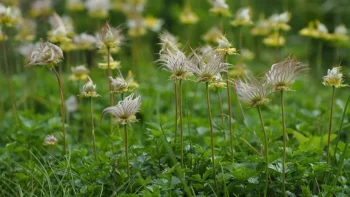
Aleutian Avens: A Hardy Arctic Beauty for Northern Gardens
Looking for a resilient native plant that can handle the harshest conditions? Meet Aleutian avens (Geum pentapetalum), a charming little perennial that calls Alaska home. This tough-as-nails wildflower might just be the perfect addition to your rock garden or native landscape – if you can find it!
What is Aleutian Avens?
Aleutian avens is a low-growing perennial forb that belongs to the rose family. Don’t let its delicate appearance fool you – this little powerhouse is built to survive in some of the most challenging environments on Earth. As a native Alaskan species, it’s perfectly adapted to cold temperatures, short growing seasons, and unpredictable weather.
You might also see this plant listed under its scientific synonym, Sieversia pentapetala, in older botanical references. The pentapetalum in its name gives away one of its key features – those lovely five-petaled flowers that brighten up the tundra landscape.
Where Does Aleutian Avens Grow?
This hardy native is found exclusively in Alaska, where it thrives in the state’s unique climate and growing conditions. From coastal areas to inland regions, Aleutian avens has carved out its niche in the Last Frontier’s diverse ecosystems.
- Species observed
- No observations
A Word of Caution: Rarity Matters
Before you start planning your Aleutian avens garden, there’s something important to know. This species has a conservation status of S3S4, which suggests it may face some conservation challenges. While it’s not critically endangered, this rating means we should be thoughtful about how we source and grow this plant.
If you’re interested in growing Aleutian avens, make sure to obtain plants or seeds from reputable native plant nurseries that source their material responsibly. Never collect plants from wild populations – let’s help preserve this unique species for future generations!
Why Grow Aleutian Avens?
Despite its rarity, there are compelling reasons why northern gardeners might want to include this plant in their landscapes:
- Ultimate cold hardiness: Thrives in USDA zones 2-6, making it perfect for challenging northern climates
- Native plant benefits: Supports local ecosystems and provides authentic regional character
- Unique aesthetic: Offers a distinctive arctic beauty that’s hard to find in typical garden centers
- Low maintenance: Once established, requires minimal care and intervention
- Pollinator support: Attracts small native pollinators like flies and diminutive bees
Perfect Garden Settings
Aleutian avens shines in specific garden styles and locations:
- Rock gardens: Its low-growing habit makes it ideal for tucking between stones
- Alpine gardens: Perfectly suited for recreating high-altitude environments
- Native plant gardens: An authentic choice for Alaska-focused native landscapes
- Naturalized areas: Great for informal, wild-looking plantings
Growing Conditions and Care
Success with Aleutian avens depends on mimicking its natural habitat:
Moisture: As a facultative wetland plant, it prefers consistently moist (but not waterlogged) soil. It can handle some drying but performs best with regular moisture.
Light: Adaptable to both partial shade and full sun, though some protection from intense afternoon heat is beneficial.
Soil: Well-draining soil is essential. It can tolerate various soil types but prefers slightly acidic to neutral pH.
Temperature: Thrives in cool conditions and may struggle in hot, humid climates. It’s perfectly suited for northern gardens but challenging in warmer zones.
Planting and Care Tips
Growing Aleutian avens successfully requires patience and the right approach:
- Timing: Plant in early spring or fall when temperatures are cool
- Spacing: Give plants adequate room to spread as ground cover
- Watering: Maintain consistent moisture, especially during establishment
- Mulching: Use organic mulch to retain moisture and suppress weeds
- Winter care: No special protection needed – this plant laughs at winter!
Is Aleutian Avens Right for Your Garden?
Aleutian avens is definitely a specialty plant that won’t work for every gardener or every location. It’s best suited for:
- Gardeners in zones 2-6 who want authentic native plants
- Those creating rock or alpine garden displays
- Native plant enthusiasts willing to source responsibly
- Gardeners who appreciate unique, less common species
If you live in warmer climates or prefer more common garden plants, you might want to look for other Geum species that are better adapted to your conditions. However, if you’re in Alaska or similar northern climates and want to grow something truly special and locally native, Aleutian avens could be a wonderful addition to your garden – just remember to source it responsibly!
This little arctic gem proves that sometimes the most beautiful plants are the ones that have learned to thrive in the toughest conditions. With proper care and responsible sourcing, Aleutian avens can bring a touch of authentic Alaskan wilderness to your northern garden.