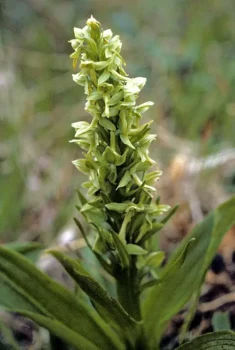
Aleutian Bog Orchid: Alaska’s Delicate Native Treasure
If you’re dreaming of adding a touch of wild Alaska to your garden, the Aleutian bog orchid might have caught your eye. This delicate native beauty, scientifically known as Platanthera tipuloides, is as enchanting as it is challenging to grow. But before you start planning your orchid paradise, let’s dive into what makes this little gem so special—and why it might not be the easiest addition to your garden wishlist.
What Exactly Is the Aleutian Bog Orchid?
The Aleutian bog orchid is a perennial forb that belongs to the fascinating world of native orchids. Unlike the showy tropical orchids you might see at the florist, this humble beauty produces small, delicate white to greenish-white flowers arranged in a loose, airy spike. Standing just 6-12 inches tall with narrow, lance-shaped leaves, it’s the kind of plant that rewards the observant gardener with subtle elegance rather than flashy drama.
As a herbaceous perennial, it lacks woody tissue and dies back to underground structures each winter, emerging fresh each growing season—assuming it survives your gardening attempts, that is!
Where Does It Call Home?
Here’s where things get interesting (and a bit limiting): the Aleutian bog orchid is exclusively native to Alaska. That’s right—this orchid is basically Alaska’s botanical equivalent of a local celebrity who never left their hometown. It thrives in the state’s boggy meadows, wet tundra, and marshy areas where most plants would throw in the towel.
- Species observed
- No observations
The Reality Check: Should You Grow It?
Let’s be honest—unless you live in Alaska and have a natural bog in your backyard, growing the Aleutian bog orchid is going to be an uphill battle. This plant has very specific needs that are nearly impossible to replicate outside its native range:
- Extremely cold hardy (USDA zones 2-4)
- Requires consistently wet, acidic soil conditions
- Needs the specific soil microorganisms found in natural bog environments
- Adapted to Alaska’s unique day length patterns and climate
The wetland status of Facultative Wetland means this orchid usually grows in wetland conditions but can occasionally tolerate slightly drier spots—though it’s still going to want consistently moist conditions.
What About Wildlife and Pollinators?
Like its orchid cousins, the Aleutian bog orchid likely attracts small moths, flies, and other native pollinators that have co-evolved with it in Alaska’s ecosystems. However, these pollinator relationships are highly specialized and region-specific, making it another reason why this plant struggles outside its native habitat.
If You’re Determined to Try…
For the brave souls in extremely cold climates who want to attempt growing this challenging beauty, here’s what you’d need to consider:
- Location: You’ll need to be in USDA zones 2-4 at minimum
- Soil: Consistently wet, acidic, organic-rich soil that mimics bog conditions
- Water: Constant moisture without standing water
- Light: Partial shade to full sun
- Patience: Orchids are notoriously slow to establish
However, finding this plant for sale is extremely unlikely, as it’s rarely (if ever) commercially propagated due to its specialized requirements and limited native range.
The Bottom Line
The Aleutian bog orchid is undeniably special—a true representation of Alaska’s unique flora. But unless you’re conducting specialized native plant research or happen to live in its native habitat, this orchid is better appreciated in the wild or through photographs.
If you’re inspired by native orchids but live outside Alaska, consider exploring orchid species native to your own region instead. Every area has its own fascinating native orchids that are better adapted to local conditions and more likely to thrive in cultivation.
Sometimes the most beautiful plants are the ones we admire from afar, knowing they belong to the wild places that shaped them.