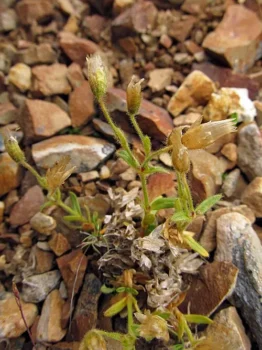
Aleutian Chickweed: A Rare Alaskan Native Worth Knowing About
Meet Aleutian chickweed (Cerastium aleuticum), a little-known native wildflower that calls Alaska home. While you might be familiar with common chickweed that pops up in gardens everywhere, this particular species is quite different – and significantly rarer. If you’re passionate about native plants or conservation gardening, this delicate perennial deserves a spot on your radar.
What Makes Aleutian Chickweed Special
Aleutian chickweed is a perennial forb, meaning it’s a non-woody flowering plant that comes back year after year. As a member of the chickweed family, it shares some characteristics with its more common cousins, but this species is uniquely adapted to Alaska’s challenging growing conditions.
You might also see this plant referenced by its synonym, Cerastium beeringianum var. aleuticum, in older botanical references.
Where Does It Grow?
This native beauty is found exclusively in Alaska, making it a true endemic species. Its limited range contributes to its special conservation status, and it’s not something you’ll stumble across in garden centers or typical wildflower meadows.
- Species observed
- No observations
A Conservation Concern
Here’s something important every gardener should know: Aleutian chickweed has a Global Conservation Status of S3, which means it’s considered vulnerable. This classification indicates the species is:
- Very rare and local throughout its range
- Found only in restricted areas
- At risk due to various factors that could lead to its disappearance
- Estimated to have only 21-100 occurrences or 3,000-10,000 total individuals
Should You Grow Aleutian Chickweed?
Given its vulnerable status, this isn’t a plant to casually add to your shopping list. If you’re interested in growing Aleutian chickweed, it’s crucial to source it responsibly – and honestly, finding legitimate sources will be quite challenging due to its rarity.
Instead of seeking out this rare species, consider supporting conservation efforts for native Alaskan plants or exploring other native chickweed species that might be more appropriate for cultivation. Your local native plant society or extension office can help you identify suitable alternatives that won’t put additional pressure on vulnerable wild populations.
The Bigger Picture
Sometimes the most valuable thing we can do as gardeners is simply appreciate and protect rare species where they naturally occur. Aleutian chickweed serves as a reminder of the incredible diversity of native plants, even within familiar plant families like the chickweeds.
If you’re passionate about native plant conservation, consider supporting organizations that work to protect Alaska’s unique flora, or focus your garden on locally native species that can be sustainably propagated and shared.
While Aleutian chickweed might not be destined for your garden beds, knowing about its existence helps us appreciate the remarkable variety of native plants across North America – and the importance of protecting them for future generations.